Like quite a few folk I’ve been kicking the tyres of Glew a wee bit over the last week or so. One very interesting feature is a plugin that Charlie has preinstalled into the wordPress blogs, FeedWordPress:

FeedWordPress is an Atom/RSS aggregator for WordPress. It syndicates content from feeds that you choose into your WordPress weblog; the content it syndicates appears as a series of special posts in your WordPress posts database. If you syndicate several feeds then you can use WordPress’s posts database and templating engine as the back-end of an aggregation (“planet”) website.

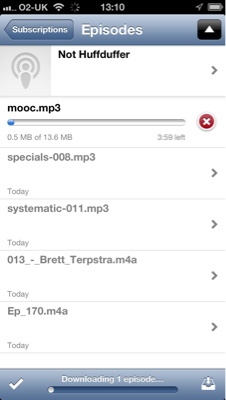
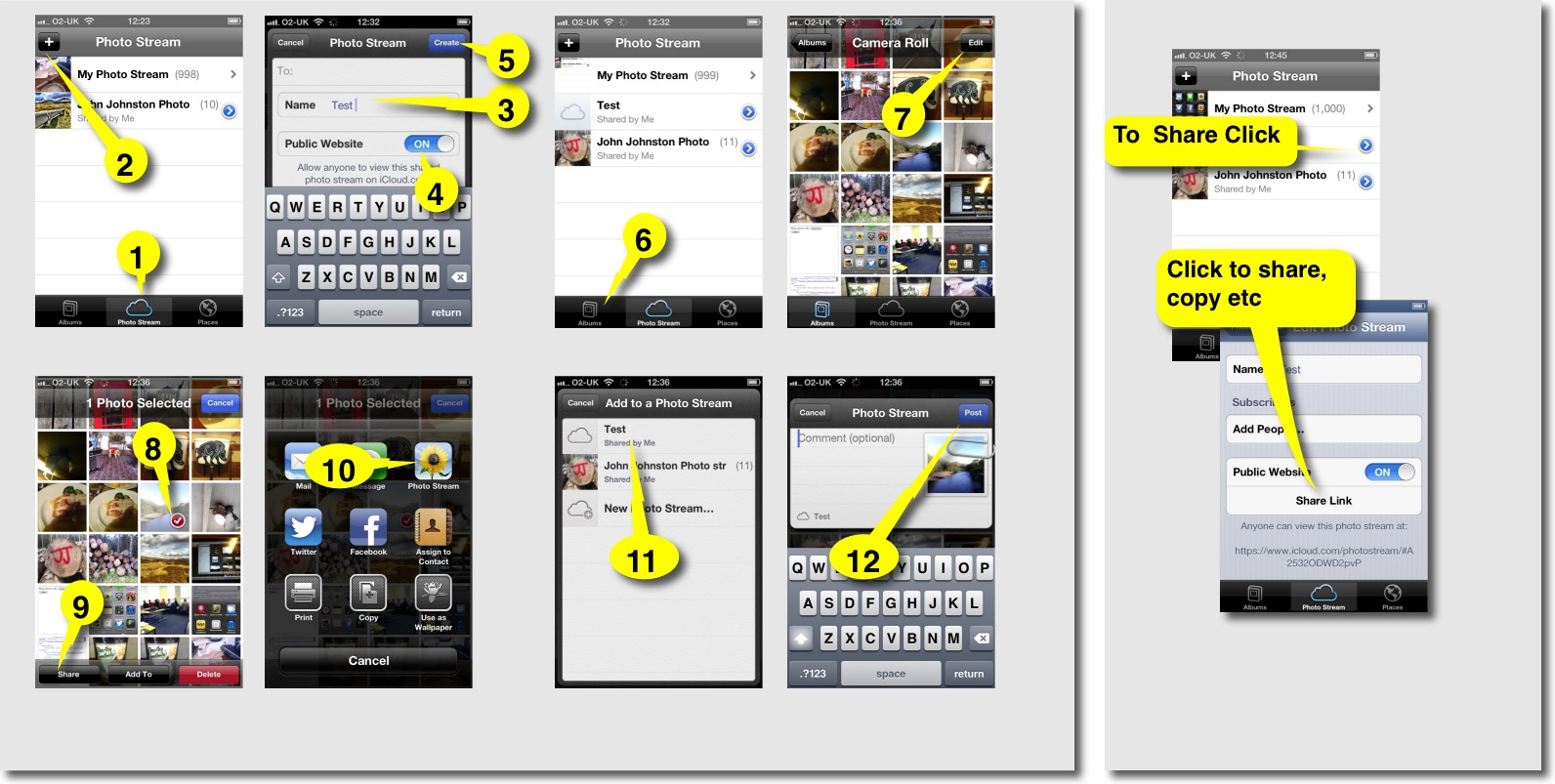
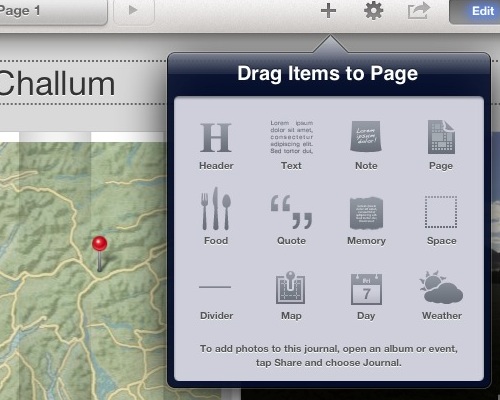
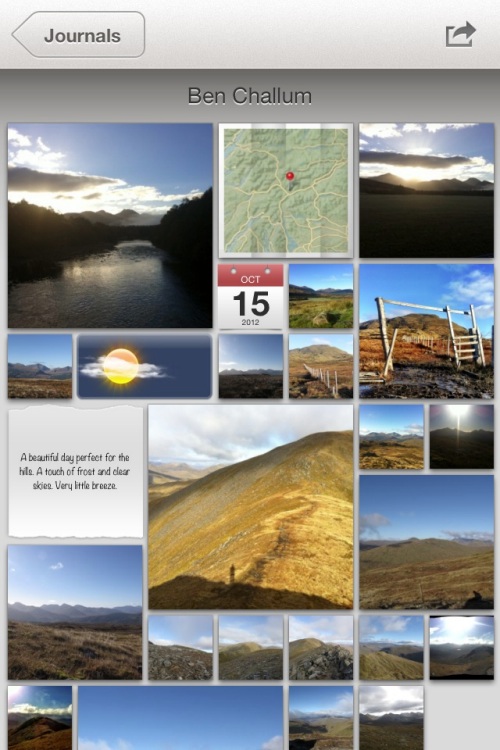
I’ve given this a quick test here: johnj (glew login needed, get one while it is hot!) where I’ve aggregated two of my blogs, my flickr stream and audioboo. The only one that doesn’t work too well is the audioboo one as the plugin does not grab the attachment.

I’ve only given this a quick test, but it seems to work very well. There are lots of options for adding categories or tags to posts from a particular feed too.

This could be used for either collecting things from a variety of publishing platforms to one blog, or perhaps be the holy grail for teacher struggling with the current glows e-portfolios: collecting all of your pupils post in the one place. The current glow solution of this is to have a list of links in glow that the teachers can click on to visit blog. I’ve told as many folk as I can that it is better to save a folder of bookmarks in their browser and open in tabs but this is not ideal.

FeedWordPress will handle a lot of blogs over in DS106 is pulling in over 500 blogs and spitting them out in lots of interesting ways (for example Dynamic OPML Files Generated from FeedWordPress).

For those interested in e-portfolios Glew also has the Mahara ePortfolio System, open source e-portfolio and social networking software built in.

Iloveu Colour 240

At the start of this year I became involved with DS106 an open online course on Digital Storytelling. I posted 20 or 30 articles here categorised as DS106

This summer I have signed up again for the DS106 summer Camp Magic MacGuffin but will be posting at a new blog I’ve set up here: 106 drop in. This is a wordpress blog, which plays better with the DS106 aggregation scheme and will allow me to play a bit with WordPress.

There will be a minecraft element to the course this time, I’ve paid for the software but have only manages very short times on the server before being killed. A whole new world in may ways.

I recommend DS106 if you are interest in playing with digital media, it is easy to join in and you can do as little or as much as you like.


I want to help empower our learning community to design, hack, build, collaborate, remix, share and explore in all sorts of ways. In essence, I strive to contribute toward building a learning community that is open-source, accessible and inspired by principles of DIY. Is the iPad the best platform for cultivating such an ideal?

from: The Digital Down Low: Some critical questions about iPads and 1-1 learning

Along with some other interesting other ones questioning the idea that ipad 1-2-1 is a good idea.

I do not think that we, in the UK, are yet in a position where there is an overwhelming belief in the iPads as a good thing in the classroom.

I do think that iPads are a good tool for some aspects of collaboration, remixing, sharing and exploring. They are, in my opinion, excellent digital story telling devices.

I wonder how many school with more open devices are doing much in the way of DIY hacking and building. There is a lot of online discussion: eduHacking · linkli.st but I don’t think much penetration into mainstream has happened yet.

I do believe that we are seeing some extraordinary effects in iPad 1-2-1s. Some of this my be the novelty effect, but there seems to be something special by having ubiquitous instant on, easy to access computer power in everyones hands.

It may be that the collaborative and creative environment that 1-2-1 ipad use seems to foster will grow into a desire for the complex making that Matt Montagne wishes to foster. This may lead to interesting apps or a demand for more open devices.

I’ve been aware of Radiowaves for a long time, it was one of the inspirations for Radio Sandaig and started me podcasting. I have not followed the development of the site with a great deal of attention but have been aware that it has been evolving in interesting ways. This is what they say about themselves:

Radiowaves is the social learning environment that provides social media for education. It enables schools to create and safely share videos, podcasts and blogs. With a free Radiowaves website you can easily start school blogging, join national campaigns and develop digital literacy skills.

Over 50,000 pupils use Radiowaves regularly to broadcast their school podcasts and videos to friends and family via the safe social network.

I’ve also met Mark Riches CEO at Radiowaves (and founding director of NUMU which looks interesting too) a few times over the years and he talked about RadioWaves on EDUtalk at BETT. At that point he told me that they were working on an iOS app and I asked him to let me know when it came out. On Friday he did. I am really impressed with this free app.

I’ve not really got my head round the Radiowaves site, its features and how teacher and pupils sites work together, but I love the app and though it worth posting some information about it.

You can get a free account at Radiowaves, this allows unlimited blogging for a school but you are limited to 30 minutes of audio and video. I created a free account to test this app. I didn’t read any of the help or explanations either in the app or online, just clicked around.

Makewaves

Makewaves 1

The app is called Makewaves (iTunes link) and is free. It runs on an iPhone, iPod touch or iPad. On the ipad it runs as an iphone sized app but can be used at 2x size to fill the screen.

I really like the look and feel of this application. Simple and straightforward.A lot of recent apps that I’ve downloaded seem to be simpler and cleaner looking, less 3d drop shadows and gradients, more space and less colour.

The app is split into 5 main sections accessed through the toolbar along the bottom:MakeWaves, Buzz, Post, My Stuff and Settings.

The MakeWaves screens shows three streams of posts from the site, primary, secondary and Things to Do. Clicking on thumbnails lets you access the content on the app.

The section I was really interested in was the Post one, but before I went there I need to visit the Settings and add my account details, this was straightforward although I didn’t notice the setting for default item which was story rather than blog. I am still not too sure of the difference between the two.

Makewaves 2

As soon as I saw the Post screen I liked it. 4 simple buttons at the top to upload media, Pictures from the camera roll, video, audio and the camera. The video button lets you choose from the camera roll or take a new video.

In seconds I had taken screenshot, used the Photo button to choose it, written a line of text and posted it.

I followed by testing the audio button, the app lets you record a sound and upload it, again a very straightforward process.

I then tested Video, and used an iPad and iPod Touch as well. All preformed beautifully.

Later on I used 3g to post a short audio file from outside. It worked a treat, uploading quickly.

An interesting feature of the app and radiowaves generally is the teacher approval. I was acting, I think, as both teacher and pupil so had to approve my own posts. The process is pretty simple on the radiowaves site and there is a in app purchase (£1.49) that lets you approve your pupils on the Buzz screen.

The My Stuff screen gives you a view of your stories and blogs, lets yuo know the ones that are still awaiting approval and the work of others in your station. You can also see if anyone liked your work.

The setting screen is straightforward, the place you can log in, easy too to log out and allow the same device to be used by more than one pupil.

I am extremely impressed with this app. It is the first one I have seen that allows posting of images, video and sound. (When I saw the posterous app I immediately put in a feature request for audio recording).

The application, when used on an iphone or ipod touch, is not built for long form blogging, but it is ideal for the much more interesting, in my opinion, mobile and group publishing of rich media. This is done in a way that minimises the technical barriers allowing users to concentrate on digital storytelling.

This could be an amazing tool for trip blogging. It should even be possible to have, say, several ipod touch out on a trip using one iphone’s tethering to allow mobile blogging by a group.

Finally having struggled and mostly failed to find a simple mobile blogging method for glow blogs it would be great to have a similar app in he new glow.

HyperCard a tool so beautiful it still makes me cry. Although I say “used”… Sam, Richard, Kris and Stephen were our proper programmers… I tended to join in excitedly, but mainly made black & white graphics or icons.

By 1997 we’d made what you’d call a CMS ( Content Management System ) in HyperCard. It made making web sites easy. So easy that school kids did it, in their Mosaic browsers and even won awards. I remember one class project that was a site about World War II, that just grew and grew. You could start to see what all the fuss about HyperText was

from: Prograph – Back in the Day | Tom Smith’s: theOTHERblog Gone so archive link

Tom Smith’s post is mostly about Prograph, which I know nothing about. I still use SuperCard, a HyperCard clone, most days.

HyperCard keeps popping up in unexpected places. It is the reason I got interested in ICT (other than producing worksheets that pupils could actually read in the age of bandas).

The idea of a “Programming for Poets” application is still very attractive. There have been a few tries, TileStack was an attempt to recreate HyperCard online with JavaScript. I still wonder why Apple, 1. abandoned HyperCard and 2. have not made a HyperCard for either OSX or iOS. Maybe this Apple Patents A Tool Allowing Non-Developers To Build Apps | TechCrunch will come to fruition.

A few days ago I noticed that Alan Levine is mashing up ds106 assignments withThe ds106 Remix Machine. This, briefly, allows you to take an assignment from DS106 and add a filter. Shades of John Davit’s Learning Event Generators.

For example this remix: stop frame photography [remixed]: Uncle Bob — Remix Machine takes this original assignment stop frame photography and adds this remix card:

Uncle bob Remix

Use Existing Media

Remix is using the created media of others – it does not count as a remix if you use your own assignment work. As raw material for your remix, use media from examples created by other ds106 participants for this assignment.

I’ve not ds106ed for a while so, just for fun (is there another reason?), I took one of a series of images from here: ds106: Stop frame photography by Rowan Peter and did this:

Cogmole

Mole photo from Mole Flickr Attribution-NonCommercial-ShareAlike 2.0 Generic (CC BY-NC-SA 2.0)

This could be a lot better, but it didn’t take long. I am tempted to dust off a copy of flash and make a wack a ds106 mole game;-).

DS106 has been looking very interesting of late, especially the Kickstarter project which has gathered a pile of money for developing DS106 in lots of interesting ways. (I am in for a t-shirt;-)). This looks like making ds106 increasingly interesting as time goes on.

Next time ds106 runs I am going to give it another shot, set up wordpress blog to make my tagging work a bit better. and have some more fun.

Flickr cc Picmonkey

Every so often something nice happens:

Which made me look again at the flickr CC search toy. A while back I posted about Picnik closing and then about PicMonkey which is a picnik replacement. The nice folk at PicMonkey let me know that the picmonky API is the same as the picnic one, so I thought I’d swap them out. As you can see from the screenshot, if the images found in the flickr CC search toy allow editing (ie NoDerivs is not in the License) there is a link to edit the picture in PicMonkey. I’ve changed the way this works so that PicMonkey will load the medium sized photo with the attribution stamped on it, rather than the original flickr image. Before I was expecting pupils to be able to add the attribution themselves if editing the picture.

I’ve also added a checkbox to the search form to only search for pictures you can edit.

The code behind this, php and javascript is a very messy affair. I intend to work thorough the whole thing sometime and make it more efficient etc.

If you have ideas of how this could be more useful to primary aged pupils please let me know.

Last Sunday in the Observer I was reading Why all our kids should be taught how to code and have been following with great interest the boos by Alan O’Donohoe (teknoteacher) Submitted to EDUtalk
I am also interested in the difference between digital literacy/ fluency and coding beautifuly described by Josie Fraser in response to Mr Gove’s surprising enthusiasm for coding SocialTech: Computer Science is not Digital Literacy:

It’s dismaying then, to see in a week where we are seeing a huge move forward in the promotion of technology and a fresh look at how ICT as a subject area is designed and implemented in schools, to see digital literacy being used as an interchangeable term for computer science skills.

With the introduction of iPads into the mix as a really powerful tool for curricular ict. I am also intrigued by the tension between this back to programming and the use of ict to support learning. Brief visits to the primary classes piloting 1-2-1 have been exciting and gone a long way to convincing me that this is an important direction for ict in education.
Although I hope the iPads are only for consumption myth has been put to bed I’ve been wondering if there are ways they can support programming in education. It has often been pointed out that the reluctance of Apple to allow apps that produce executable code will hinder their use for coding.
(As a primary teacher this is well out of my depth or experience but fun as a sort of thought experiment.)
Some of the efforts to enthuse pupils and others in coding have started with HTML, CSS and JavaScript. (Hackasaurus and the like links). I though that might be a good place to start.
photoI’ve blogged before about Textastic – Text, Code and Markup Editor with Syntax Highlighting – FTP, SFTP, Dropbox – for iPad, the web page title says most of it.

a challenge of sorts

I though I’d give it a go and create a page or two with some sort of JavaScript stuff. To keep things nice and simple I thought I’d use the Dropbox functionality to publish the pages created to my Dropbox public folder. In a teaching situation this would avoiding FTP uploading.

templates and images

The first nice thing I noticed was that textastic supplies a few basic html templates which gets you off to a nice start. I created a folder in textastic then some files. Next I clicked on the globe to access my Dropbox. You see a listing of a local folder and one in Dropbox it is simple to transfer files back and forth. You can also pull images in from Dropbox to the textastic folder if you want to added images to your web page. This means a trip to the Dropbox app to add photos to that folder from the iPad photos.
I could not find an app on my iPad that would let me resize images where I could see pixels rather than manipulating with my fingers, but I am sure such an app exists.

auto complete

Textastic supports autocomplete in a TextMate like way type a < and say a p it pops a list of possible tags, selecte one and it is completed. The app then put the cursor in a good position, eg between the opening and closing tag of a paragraph to ready to type in the first parameter of a link. With more complex tags it wil select the first edit then tab through the other section indicated by a wee triangle:


update: the first image I uploaded Looked ok on the iPad but was unreadable on my desktop. I’ve replaced it. Image editing for blogging is a bit of a challenge on the iPad, but I am learning.
It was pretty simple to create a HTML page and link it to a CSS file in the same folder in textastic, easy to publish both to Dropbox. Textastic allows you to locally preview and it is easy enough to switch to Safari too.

JavaScript challenge

Since I know little JavaScript this should be a fairy realistic test of the iPad as a tool to learn coding. I decided to try assignment 3 from Mashups: Remixing the Web a course from New York University. The assignment was to create a lolcats memory game. I decided to make one with Flickr images. There are a few good hints in the assignment but I need to do a few things: look up JavaScript references on the web, preview and debug. Reference was easy to do by switching to safari and searching. Textastic supports preview and firebug. I also turned on the safari debug console. Textastic supports auto complete for JavaScript too.
The result is not a polished or complex piece of work, but I’ve stretched myself a wee bit. And managed to stick to the iPad throughout.

update a couple of tweets from @fraserspeirs who will know a lot more about this than me:


– Posted using BlogPress from my iPad

Location:Crow Rd,Glasgow,United Kingdom


Tell a story using nothing but sound effects. There can be no verbal communication, only sound effects. Use at least five different sounds that you find online. The story can be no longer than 90 seconds.

When I was working out what to do with this one I seemed to have missed sound effects and no longer than 90 seconds.

This is an idealised walk combining sounds I’ve recorded over the last year or two when walking, some as audioboos.

Starting with traffic, there is bird song & rooks, footsteps through some wet ground, ducks, footsteps on a rocky path, a raven, a hill burn (small stream) finishing with the sound of one lark. It is mostly pretty quiet. it is also about 5 minutes long.

Five minutes of footsteps and tweets

This is as noted above a lot longer than the 90 seconds limit. While this particular example may not hold a listener for 5 minutes I do think that longer audio without speech has its place. Last year when I went to Field Recording at the Scottish Music Centre I noted:

what I’d take away was the quality of listening shown by the audience & presenters. The time taken. Timothy Cooper’s Blast beach gave plenty of time to look at the images: audio can be slower. I am thinking again about Ian Rawes’ “the ravenous eye and the patient ear”, Tim Nunn’s theatre performances in the dark.