Photo It Like Peanut Butter — MISSION: DS106

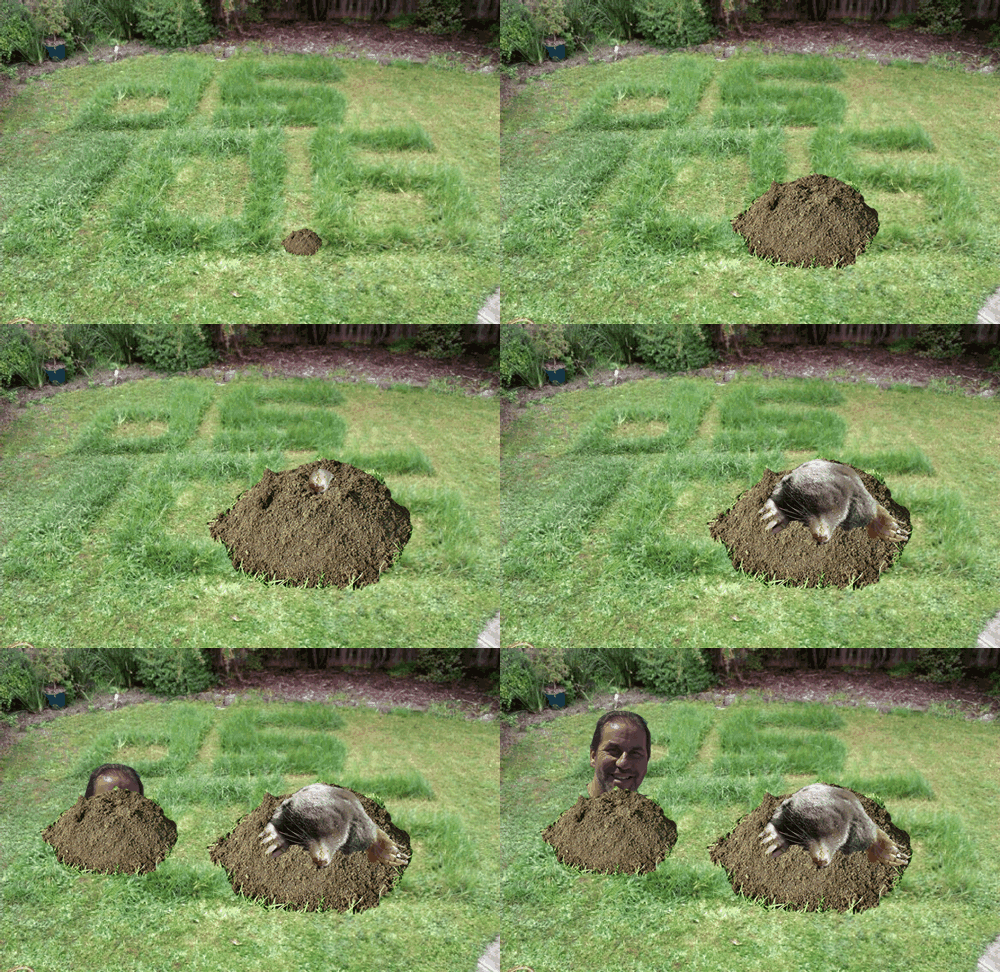
Rather than making animated GIFs from movie scenes, for this assignment, generate one a real world object/place by using your own series of photographs as the source material. Bonus points for minimal amounts of movement, the subtle stuff.

Yesterday I saw My Animated GIF Day by Ben and thought a wee bit about his driving gif. His method seemed a wee bit dangerous so I decided to you the iPhone iTimeLapse app to grab my journey home last night. I could then get stills to make an animated gif. I’ve made a few but was not delighted with them. Today I took some more footage including some going through the clyde tunnel. This was hampered by the fact my phone holder dropped off the windscreen so I only got a wee bit. It makes quite a nice gif.

tunnel gif

I created the gif using the wee app I made as a front end to the Gifsicle commandline tool, Movie2Gif while watching a previous episode of DS106. I found that it did not properly play the movies from iTimeLapse so I had to re save then using QuickTime first.

Past ds106 0clock

Ad DS106 get underway I’ve found my Daily Create rate has dropped right off. I was doing ok before the course got underway and then it went a bit pear-shaped. I managed 10 DS106 photos and a few dailycreate sounds. I managed to do the odd full assignment but was quite pleased that I already had a blog. This week I’ve really dropped out of the game. I don’t feel bad about not doing any creates but I feel a bit guilty for not paying much attention to other folks work/play. Only managed one comment his week.

Anyway according to Week 4: Photography and Visual Assignments the next bit is to try and do some Visual Assignments so this is my first the Comic Book Effect.

Method:

  1. iSight Photo at lunchtime in the office.
  2. Added clock and watchstrap in Fireworks, saved as jpg.
  3. Cut trace round in photoshop with magnetic lasso and delete office.
  4. Add background from Mr. Blue Sky – bevevans22’s posterous.
  5. Save jpg to dropbox
  6. on iPad move to photo library via dropbox app
  7. Use Halftone to make halftone effect.

I was hoping something of the rabbit from Alice would come through.

I would like to be make a much better watch, (need a bit of time;-)) and be able to do the halftone in photoshop.

I did manage a couple of photoshop tutorials this week, nice short ones from Matt Gemmell,
Etched effects and Subtle UI texture which I found useful. I found another tip here: Splash The Color from a DS106r.

The assignment was in two parts:

  1. read: “What is Web 2.0?”, Web 2.0 Storytelling and Seven Things You Should Know about Creative Commons
  2. distill a few key points use one of the “50 Web 2.0 Ways to Tell a Digital Story” to distill a few key points from you reading.

I notice that prezi is one of the 50+Ways – Presentation Tools listed on the wiki. As I started thinking about Web 2.0 I got caught up in browsing through my own short history of using ‘this sort of stuff’. Recently impress.js had caught my notice, it is a prezi like tool that uses javascript. It is new and only works in Safari and Chrome at the moment. I think that Firefox 10 should do the trick too.

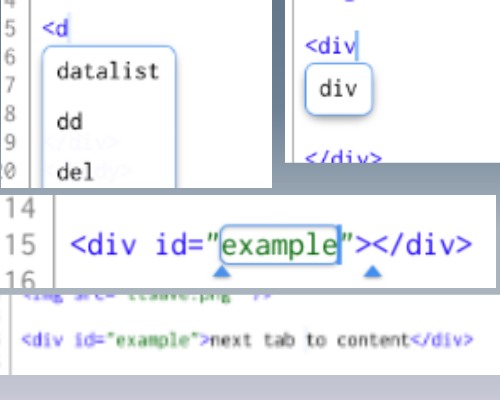
I am not overly fond of prezi although I’ve seen it used to very good effect, but I though it might be interesting to try out impress. impress in which you create the ‘slides’ by adding attributes to divs in HTML seemed a bit simpler to use than prezi. I found a great post that explains how it works: How To Use Impress.Js | Cube Websites Blog.

So rather than think deeply about Web 2.0 I played with impress. The results are not tasteful but I had a lot of fun.

Web 2triptn

Assignment 3 – Comic Timing – #edtechcca3 « Ed Tech Creative Collective

Make a comic-strip style set of instructions for a practical task. The task you choose is entirely up to you. It could be something that relates to your subject area, or alternatively you can do something more generic like starting up and shutting down a computer, how to set an alarm clock, or how to use the office photocopier.

I’ve always liked making comics both with with pupils and for myself, a few years ago I made this set for my daughter when she went to university: Recipe Comics – a set on Flickr.

For this assignment I decided to use ComicLife on the iPad, I’ve used ComicLife on the desktop a fair bit but not done much more with the iPad app than quickly demo it. This looked like a good opportunity. I’ve been doing a fair bit of iPad workshopping this week, and one of the things I’ve been showing teachers is some map activities. These are based on ones I’ve carried out a few times with pupils on an iPod touch. Basically taking screenshots of the maps app and using them for Maths or literacy. So the comic was made with the techniques shown by the comic.

Comic map Ideas

Software Thoughts

Although there has been suggested web apps for each of the edtechcc assignments I’ve used desktop applications for the first two (Fireworks, audacity) and now an iPad app. I have used web image and audio editors in the past but never found a compelling reason to use them before a desktop app other than price. I am editing this post in TextMate and will post to my blog via the MetaWeblogAPI rather than by using a browser. The problem with browser applications is with, imo, workflow and integration with other application which is not as mature as desktop or as simple as iOS. ComicLife on a mac is a good example of this, easily showing your images to ad to your comic without having to upload them. Or TextMate, here to add an image to a post I drag the image from the desktop onto the document I am typing in, it uploads it to my blog and inserts the code.

Design Thoughts

I had planned to try planning a bit with pencil and paper for this assignment after watch other folk go through the notes/mind-mapping/sketching process. But again I just got started and played about as I went along. I’ve noticed my ‘planning’, if you call it that, occurs when walking, driving or doing some other activity so I have some idea of what I am hoping for when I sit down. No excuse really and I will try a bit harder on a future assignment.

There was not much thought in this one anyway, I’ve stuck to ComicLife defaults, perhaps over familiar but they do the job I think.


It’s also highly important that students are offering feedback to their peers, and reacting to that feedback in a way that models good constructive criticism and improving upon ones work. Opening up students work to the web means that it’s not just the teacher that’s responsible for leaving the feedback and providing that extrinsic motivation for continued growth; it’s now on the shoulders of everyone in your learning community to help one another in a much more public and open way.

A great post: Four Recursive Practices for Teaching and Learning | The Tech Savvy Educator based on the No Digital Facelifts: Thinking the Unthinkable About Open Educational Experiences – YouTube video.
Lots of food for Formative Assessment thinking.
There is a lot of other great stuff in the post, best to read it all.

The second assignment for Spring DS106 was to read this: A Personal Cyberinfrastructure and watch this: “No More Digital Facelifts: Thinking the Unthinkable About Open Educational Experiences.” and blog a response.

There is a requirement to read and watch both carefully but as I am taking this course a a college dropin I didn’t feel the need to take much care;-)

This is one of those videos/podcasts/blogposts that fire off lots of thoughts as you watch as it hits a lot of nails right on the head. I’ll only lazily touch on a couple.

The video is worth watching by anyone interested in Web 2.0 so I am imbedding it here:

Sounds Good

First thing I notices was the rhythm and musicality of Gardner Campbell’s voice. I’ve been listen to Tom Wordward’s remix A Bag of Gold « Bionic Teaching and used on Radio Edutalk a few times (that was a great idea). Gardner Campbell is a powerful, humorous speaker.

I guess the audience is familiar with the argument addressed, the tension between LMSs and the open web in US higher education. I an not but it sounds like the same sort of argument we have had in UK education between NLEs and WEB 2.0/google/open technologies, between systems set up for teaching and learning and more open and general software that can be bent to teaching and learning. Gardner Campbell defends the open with great humour and the marvellous bag of gold metaphor.

A Personal Cyberinfrastructure

In part Campbell is suggesting Students control their own domain, decide what sort of social software to install and manage it from themselves. As someone who has been doing this sort of thing for a while (here on this blog, personal wiki and a bunch of other stuff) I cn see where he is coming from and love the enthusiasm. I do wonder if it is for everybody. I am fairly relaxed about backing up, losing stuff and the like. I also host with someone who I know well and who has dug me out of a hole or two in my time.

If a student sets up, say, wordpress on their on domain they need to make sure they keep wordpress and any plugins up to date to avoid any wee hacking problems (FAQ My site was hacked « WordPress Codex) that can happen. You also might have to worry a bit about being fireballed or slashdotted if you ever write something the rest of the world want to read (More likely you will be hacked).

These are risks I am happy to take, given my host and the fact that I like playing with this stuff and don’t mind the time spent. If you value your time it might be preferable to head over to wordpress.com. (NB I am just using WP as an example, this blog is not a wp one, it runs off pivotx).

This leads into the though that there would need to be a fair bit of understanding by teachers and time for development if this was extended back into primary & secondary education. There is a lot of positivity about blogging in schools at the moment, this recent wave crested by Mr. Mitchell at Heathfield CPS Blogs in England (see the Heathfield in the News section) and a ton of blog work by the Glow Scotland team. I hope there is an understanding of the amount of knowledge and skill that goes into a good school blogging site, the time and energy needed to keep it going (a lot of support by Creative Blogs. in Heathfield’s case along with Mr Mitchell’s obvious energy and dedication). The pile of abandoned one, two and three post blogs out there suggests it might not be.

43 Minutes In

There is a question from the audience suggesting that this could be started earlier, this goes right primary school territory

there is an authentic version of any concept that can be taught to any child who can read and write. You pitch it to the appropriate level of development and then you keep coming back to it spiralling upwards and upwards and until that magic handoff moment… 45:46

The last section is really powerful pushing the need for teachers to help pupils make the decisions and on how using these techs in school could flow into higher education.

narrating curating & sharing

What learners should be doing.

Danger Edupunk

I have to be careful or it is down the youtube rabbit hole of edupunk videos, mostly of Gardner Campbell debating with Jin Groom, beware the related video…

Standard YouTube License

Be nice if this was a creative commons video.

If I had a bit more time & skill I’d like to popcorn this it would be a great one to some twitter video mashup, perhaps a hashtag could add the tweets as timed comments…

Make two signs or symbols using a graphics tool of your choice. The first sign should be for your own department or course, the second sign should be for another educational department or course. Use only pictures, no words. Use only simple abstracted shapes, no photographs.

Assignment 1 – Signs & Symbols –#edtechcca1

I have made a fair number of web graphics & icons in my time but it has always been pretty haphazard and I’ve never been particularly pleased with the result. I do not think of myself as a particularly visual person.

Earlier in the week I’d read other participants blogs, Helen Morgan, an Art Photo and graphics teacher explained her working method and Colin posted An insight into his creative process as he started the assignment.

I don’t have a department, I work at The ICT & Technical Services Centre in North Lanarkshire, AKA the Computer Centre. By the time I started this Leigh Johnston whose department sounds like it covers the same area had blogged his assignment Assignment 1- #edtechcca1 which gave me some ideas.

Idea 1

Helen and Colin reinforce the idea of brainstorming and prep and both start by sketching (Helen on her iPad) and note taking. I don’t think sketching would help me much and I rarely write with a pen or pencil. I did the same thing as I do with pupils when they do not recognise a word, google images. I find this easier to get children to guess the meaning of a word than a word search. My mental list of words included, North Lanarkshire, Computer, Centre, media, ipad, cloud, network, files, podcast. network reminded me of a the images produced by Webpages as graphs – an HTML DOM Visualizer Applet and I thought of a computer networked to circles in the NLC logo colours, Helen & Leigh’s preliminary ideas reminded me of the NounProject, using that as reference I tried in Fireworks, to draw a laptop sitting inside 3 circles with lines connecting.

In NLC schools we use FirstClass as a email and communication tools so I decided to take the icon for that as inspiration for 3 figures inside the laptop, hopefully indicating community and support. I drew one with simple shapes, then tried to suggest a circle by duplicating and using the distort and skew tools.

Next I though I might use the circles as repenting aspects of the Computer Centre: a cloud, for the network again influenced by the fact I spent yesterday setting up iPads; media, a sort of copy of the media button found in iWorks and iLife mac apps; and files and folders. All were drawn with shapes and lines, the 2 that have multiple objects I added a white glow to separate the layers. After about an hour os so I ended up with this:

Computer Center

Computer Center 64

I was pleased that the gif came in at around the 12k mark but once I made an icon of this(64 pixels square < 4kb), I realised that it is far to complicated to communicate anything and decided to simplify, the quickest way to do this was to get rid of the footery stuff:

Computer Center Simple

Computer Center Simple 128Computer Center Simple 64 Computer Center Simple 64

Afterthoughts: Design

I know nothing about the principles of design, spacing, colour shapes and layout. I know I’ll never manage to read, understand and remember a lot of information on the subject, but I am sure I would be helped by reading a basic short guide. Preferably online and about a page of text.

Afterthoughts: Fireworks

I love Fireworks, I have a copy of Fireworks 8 which I got with a Macromedia Education Bundle a number of years ago. I’ve also got a CS3 version at work. I use it a lot, but in a pretty simple fashion. To do the above I use very few of fireWorks features: Ellipse Tool, Round Rect tool, line tool, align palette, Scale Skew and distort tools. Grid on. I worked in a few documents all 800 x 800 pixels and zoom a lot. I group and drag layers forwards and backwards. That is about it.

Doing the assignment I wanted to be able to do a couple of things I could not do:

  • I used mostly rounded rectangles, I adjusted the corners by hand, then duplicated to get the same corner on another shape, I’d like to know how to numerically adjust the corners?
  • I tried to get the 3 figures looking as if they were part of a circle. I used the skew and distort tools by hand. I assume there is a much better way to do this?
  • I drew the clouds with several circles, to cut off the bottom I grouped and converted to a bitmap then used the select tool. I think there is a better ay of doing this, but do not know it. I want to avoid the convert to bitmap bit.
  • As I mentioned above I used a glow effect to make layers the same colour stand out, I really wanted just to add a outline to a group of objects?

Afterthought: Part 2

Edutalk Fist new

I forgot I should have made a second image. I though I might redo the Radio Edutalk icon. I really like the idea of this, it was originally created for a TeachMeet presentation. It plays on the idea of EDUtalk as guerrilla podcasting. It is a bit rough round the edges, down to my lack of vector skills. So I grabbed a couple of icons from the NounProject to work with.

The first problem was these opened in illustrator, which I cannot drive, after a few minutes I though the learning curve might be a bit much so just copied and pasted from there into Fireworks. A quick select and rotate gave me this icon. I am quite happy with it and it is cleaner round the edges than the old one. I am going to play a bit more, trying to bring a broadcast or RSS element into the picture, but that is for another day.

Microphone by The Noun Project , from The Noun Project collection, Creative Commons – Attribution (CC BY 3.0)
Protest by Edward Boatman, Jay Demory, Tristan Sokol, Shirlee Berman and Doug Hurdelbrink from The Noun Project collection. published under a Public Domain Mark

The daily create from today/yesterday was Create an audio of two sounds not normally heard together. I took two sounds that I had recorded for the UK Sound Map on Audio Boo. The result is:

While I don’t think the result is particularly creative or interesting I though the workflow was worth recording.

  1. Easiest way to download the mp3s from AudioBoo was to switch to the RSS feed in safari and right click the MP3 link and choose save as.
  2. Open One file in audacity.
  3. Import other file with File -> Import ->Audio…
  4. Fade out the first sound, as the second was so quiet in comparison I just left it in place. Deleted the section of the first track after the fade.

Busker to Beach Audacity 440

Bonus Image Merge

As Both AudioBoo, the source of the sounds and SoundCloud, where we were to publish the results, allow you to add a photo I thought it might be interesting to create an image fade to go with the audio.

Here is the recipe I used:

Opacity Gradient

  1. Open first AudioBoo page in Safari, view the larger image.
  2. Drag image onto FireWorks on the dock.
  3. Open second image and drag onto the first image in fireWorks
  4. Drag a rect in fireworks over the second image.
  5. Make it white and give it an opacity gradient.
  6. Select the gradient Layer & the Image below.
  7. Modify Menu->Mask -> Group as Mask
  8. Adjust the opacity of the masked image so that the image below shines through.

Busker to Beach Firworks 440

The whole process was pretty quick which is quite important as I try to keep up with the daily create.

Jim at ted

After I saw Yamily Feud | Ben Harwood – DS106 – Spring 2012 I was thinking of the yams dancing at TED, as I already had Jim dancing I did this. It uses Ben Rimes’ ted template and Andrew Allingham’s ds106 radio poster/design.

I’ve also posted this in the ds106 category here but not the default, hopefully this will get picked up by ds106 but not go into my main feed. This will give folk who read ScotEduBlogs a break as DS106 hots up (If I manage to keep up the current activity rate).

ED_Tech_Creative_Collective.mp3

This is my attempt at the Preliminary task for the Educational Technology Creative Collective collaboration.

The Educational Technology Creative Collective is

a collaboration of educators investigating and experimenting with digital technologies to enhance education. It is open to anyone (especially educators). The first iteration of #edtechcc will run for 12 weeks starting mid to late January 2012. Enrolment is now open

The ‘course’ was inspired by ds106 which the organiser Colin Maxwell took part in last year. Colin thinks Creativity is a good habit to get into. Make it a habit and creativity becomes easier..

There will be Assignments every week and online meetings every month. There is no requirement to complete all of the assignments. This is my response to Preliminary task #edtechccp1 Tell us something about yourself and what you hope to get from joining #edtechcc.

I have signed up for both this and ds106, I am expecting this course to be a little less strange and intensive than ds106 but not any less valuable. There are already a diverse bunch of folk involved. Much to the learning will be form ones peers on the course. I hope that I can learn to put some polish on my digital artefacts. Over the years I’ve published a lot of this sort of thing but it if fair to say I take a pretty quick & dirty approach to editing and production.