
Data, can be done differently.
I keep being pulled by this site. Cc @IaninSheffield

Perchance is a platform for creating and sharing random text generators. To create a random generator you simply create lists which reference other lists
Wonder if this could be useful for the classroom. Certainly plenty of story-starter types. Also Word Problems (Adding and Subtracting) might be a start.
Via: Joe Jennet create a random generator
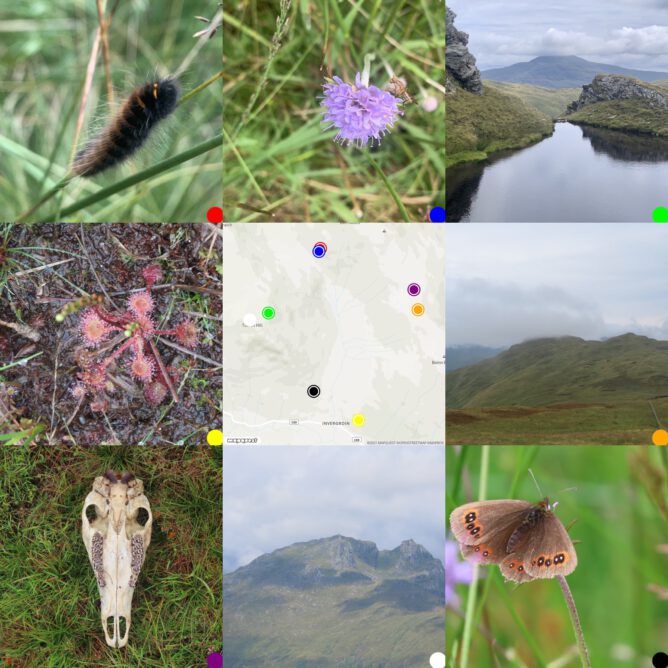
Today’s walk round the Glen Douglas Trio, with photos and map walkmap
A ‘video’ of the flickr photos I’ve posted over the summer holidays. generated mostly with this script.
I feel we have an obligation to re-use. The best way to keep things from humanity’s pool of cultural artefacts and knowledge available is by re-using and remixing them.
I’ve been using the Post Kinds plugin for a few years on this WordPress site. It allows you to easily style a specific type of posting (a like, bookmark, reply, rsvp, read, check-in etc), it automatically pulls in the relevant information form the posting you’re reacting to, and adds the right m...
Although I’ve found the post kinds plug-in amazingly useful I’ve wondered about the problem of moving away from it.
As I review old posts I do find some surprises in the way the display of posts has changed, having the post kinds “stuff” in the post would help I think. I’ve no idea how I could do that if I wanted to.
Back to school today.
My summer consisted in part of:
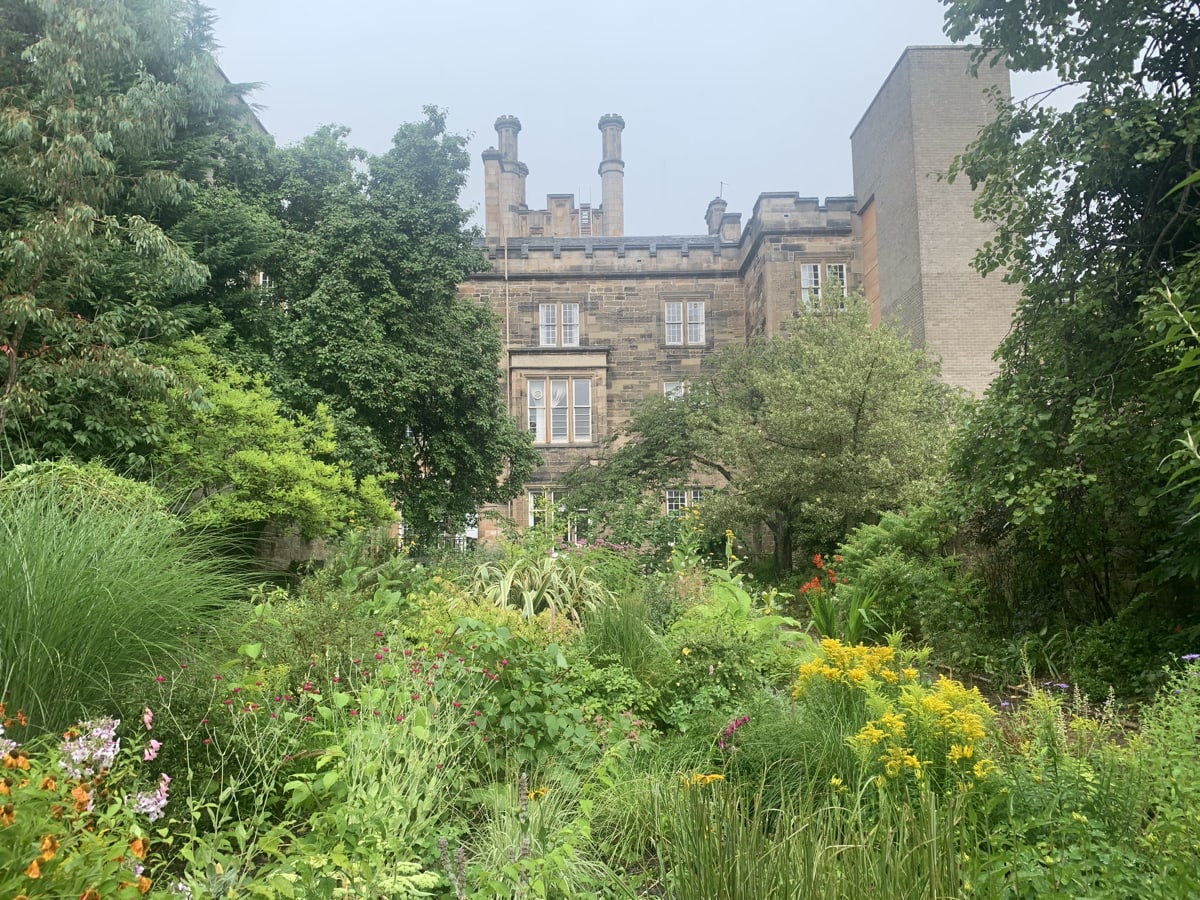
Gartnavel Walled Garden, in gentle rain. Shortly followed by thunderous downpour.
Redemption Song, ”Won’t you help to sing These songs of freedom?“ always worth a listen.