Somewhere or other1 I Saw a link to v.2 (1799) – The Naturalist’s Pocket Magazine or compleat cabinet of the curiosities and beauties of nature. Intriguing enough which lead me to discover the Biodiversity Heritage Library:

The Biodiversity Heritage Library (BHL) is the world’s largest open access digital library for biodiversity literature and archives. BHL is revolutionizing global research by providing free, worldwide access to knowledge about life on Earth.

About BHL – Information about the Biodiversity Heritage Library

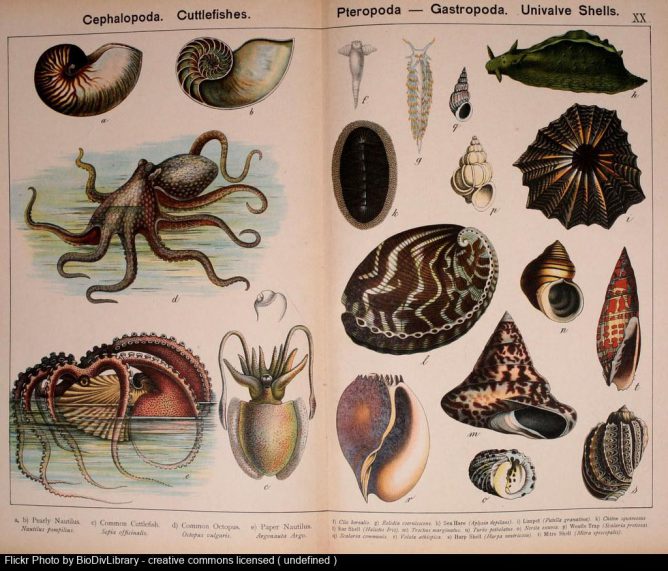
There seems to be a vast collection of biological books that are free to read and download. There is also a twitter account, @BioDivLibrar and an amazing Flickr account: Biodiversity Heritage Library where there are over a quarter of a million images, many public domain. They have also contributed

over 2 million BHL images have been uploaded to the IA Book Images Flickr stream as part of the Art of Life project. These images are identified and uploaded in bulk using an algorithm. They offer a great opportunity for serendipitous discovery via browsing.

from: About Biodiversity Heritage Library | Flickr.

The Library are asking for people to help tag their flickr images and this might be a good activity for secondary pupils?

Bird Bingo
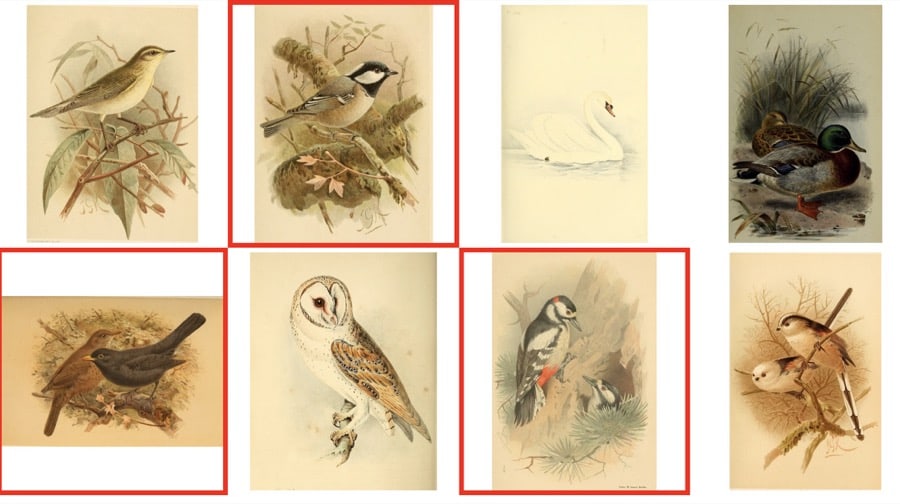

As a primary teacher, once I’d stopped just raking through some beautiful images I knocked up a quick Bird Bingo game for my class to help with bird identification. It has random cards and a caller.

There is page after page of beautiful pictures in the photo stream I defy anyone to leave it quickly. Example page 2094!

Featured Image: n456_w1150 | Natural history of the animal kingdom for the u… | Flickr public domain.
1. I don’t like not being able to attribute where I found this amazing resource.
Liked Soft fascination (richardcoyne.com)
My ability to concentrate on any task is limited, no matter how much I enjoy that task. Eventually I reach a point where my performance is severely hampered, things take longer than usual, and I make mistakes, become inefficient, less creative, and easily distracted. Sound familiar? Tangle of bare b...

Fascinating post on fascination. It proposes that Soft Fascination will restore out concentration and that this is facilitated by being in nature. I certainly feel it can be easy to become absorbed in the natural world. I was also pleased to read

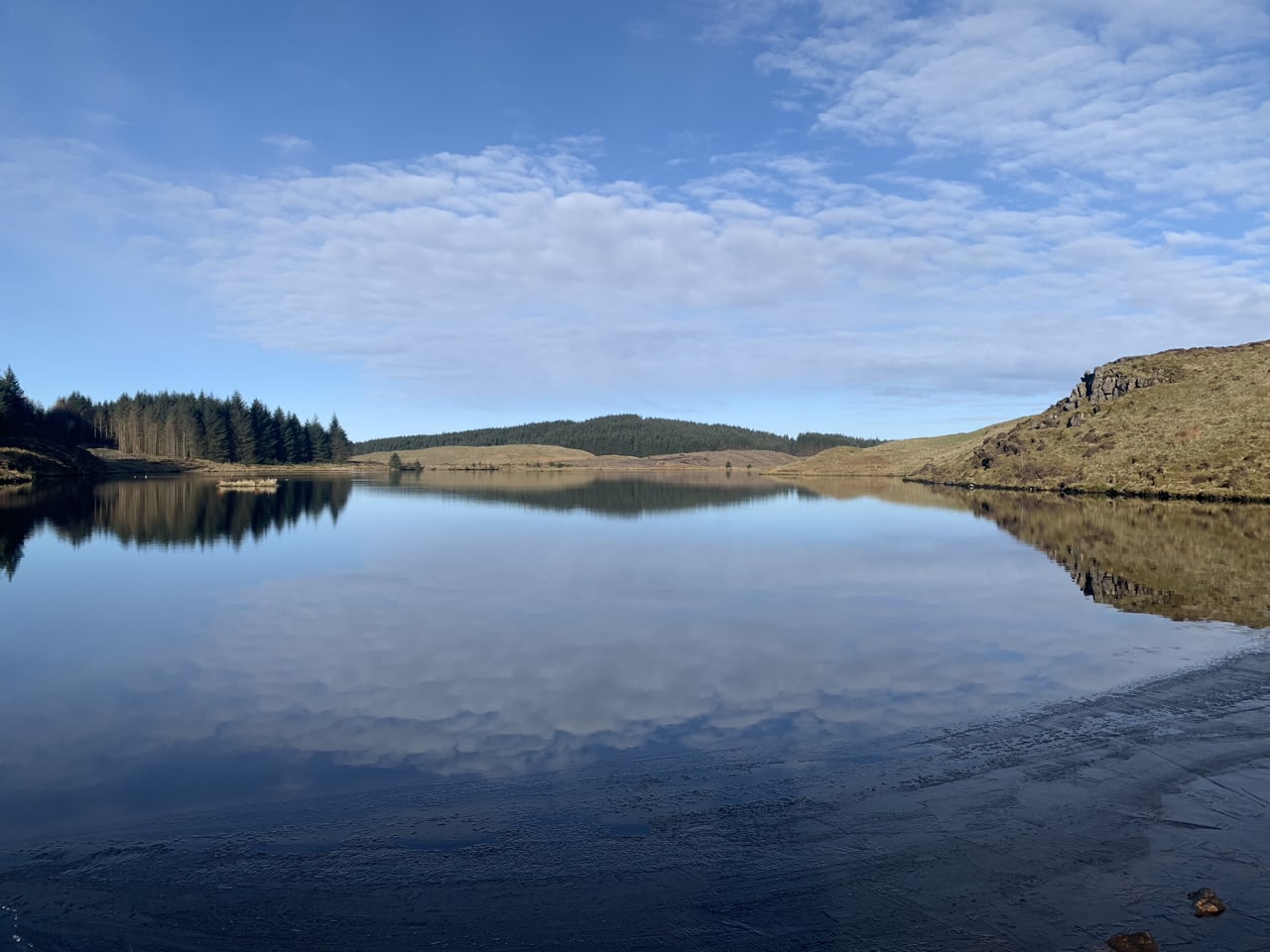
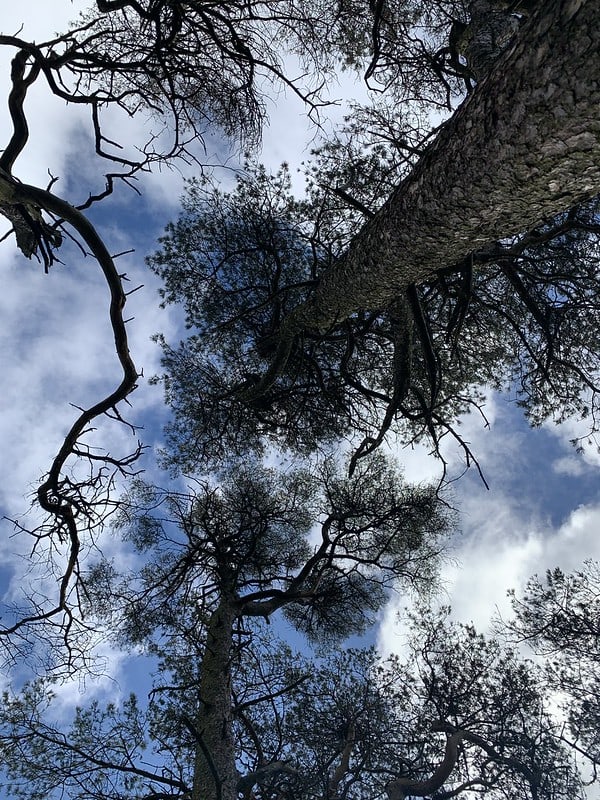
On the contrary, smartphones may help us get out more, adding to a sense of safety, GPS means you can explore more, there are countless information sources and apps about the outdoors, and there’s the full set of UK Ordnance Survey maps available for download on a GPS enabled app. Photography provides a means of exercising soft fascination and probing the world. There’s a sense in which the great outdoors and what we get out of it is already mediated by decades worth of technology, not to mention presentations via art and the mass media.

I’ve  found my phone a useful tool for navigating the natural world,  not only as a method of finding where I am but of recording that and identifying my surroundings and neighbours. Trails, PlantNet and PeakFinder Are some of my favourites along with the camera and an audio recorder.

hat tip @livedtime

Replied to a tweet by Blair Minchin (Twitter)

Really grateful for the opportunity to contribute to @tes

“I’ve observed many benefits of using speech-to-text technology but there is one discernible outcome in the classroom that I’ve seen more than any other: smiles” 😃 https://twitter.com/tes/status/1378695104525910017

Notes & Airdrop are great pieces of tech in class. I particularly like the lack of features in notes allows pupils to concentrate on writing. I encourage pupils to start in notes even if writing that will end up in more complicated app.