
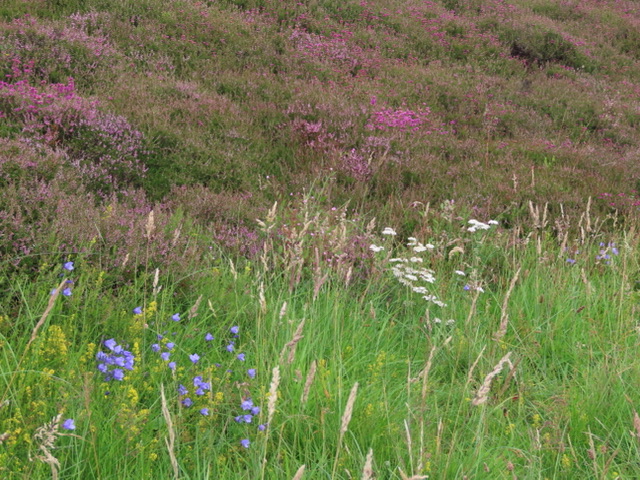
Flora on Kilpatrick muir, At the back, common ling & bell heather. Some blaeberry leaves poking through. At the front, yellow bedstraw, harebells, yarrow, willow herb. Grasses with seed heads, Yorkshire fog and others.

Flora on Kilpatrick muir, At the back, common ling & bell heather. Some blaeberry leaves poking through. At the front, yellow bedstraw, harebells, yarrow, willow herb. Grasses with seed heads, Yorkshire fog and others.
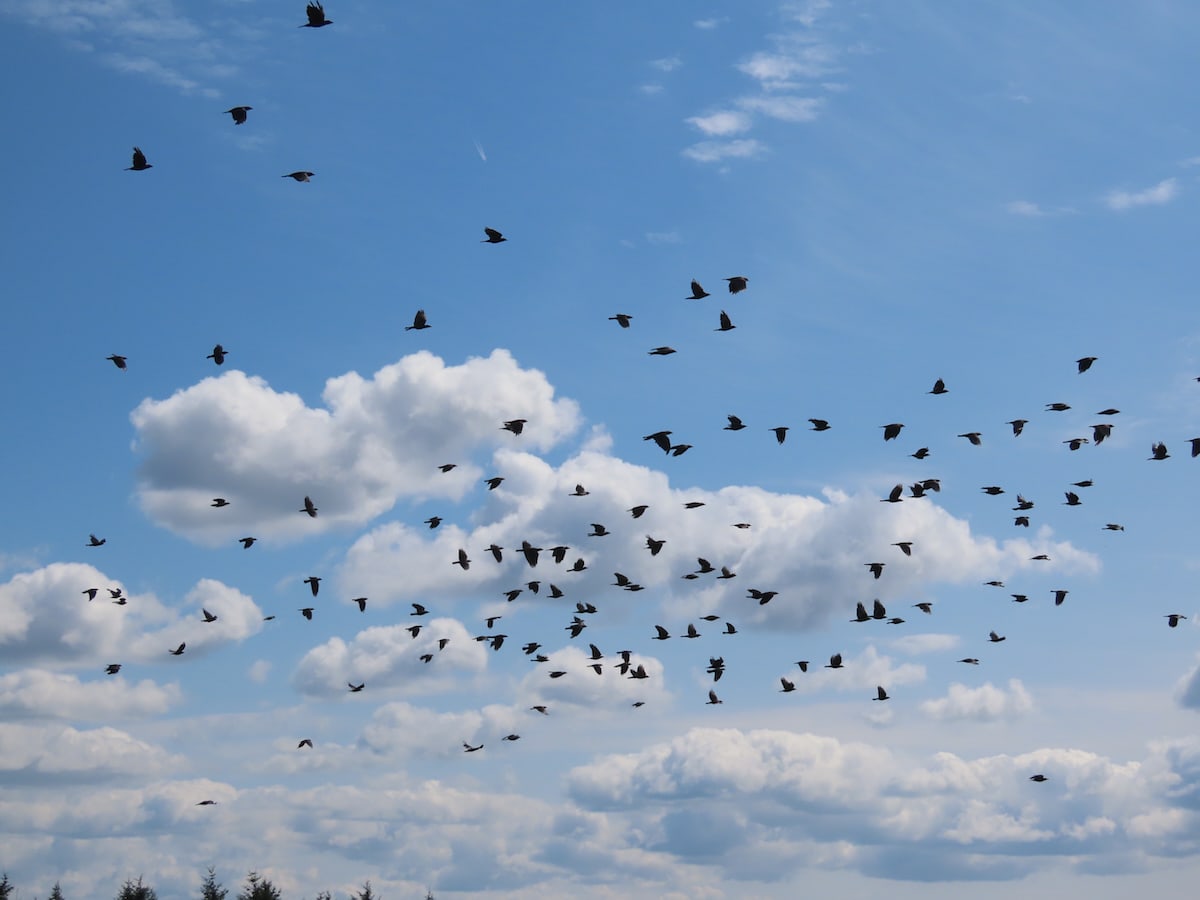
#silentsunday
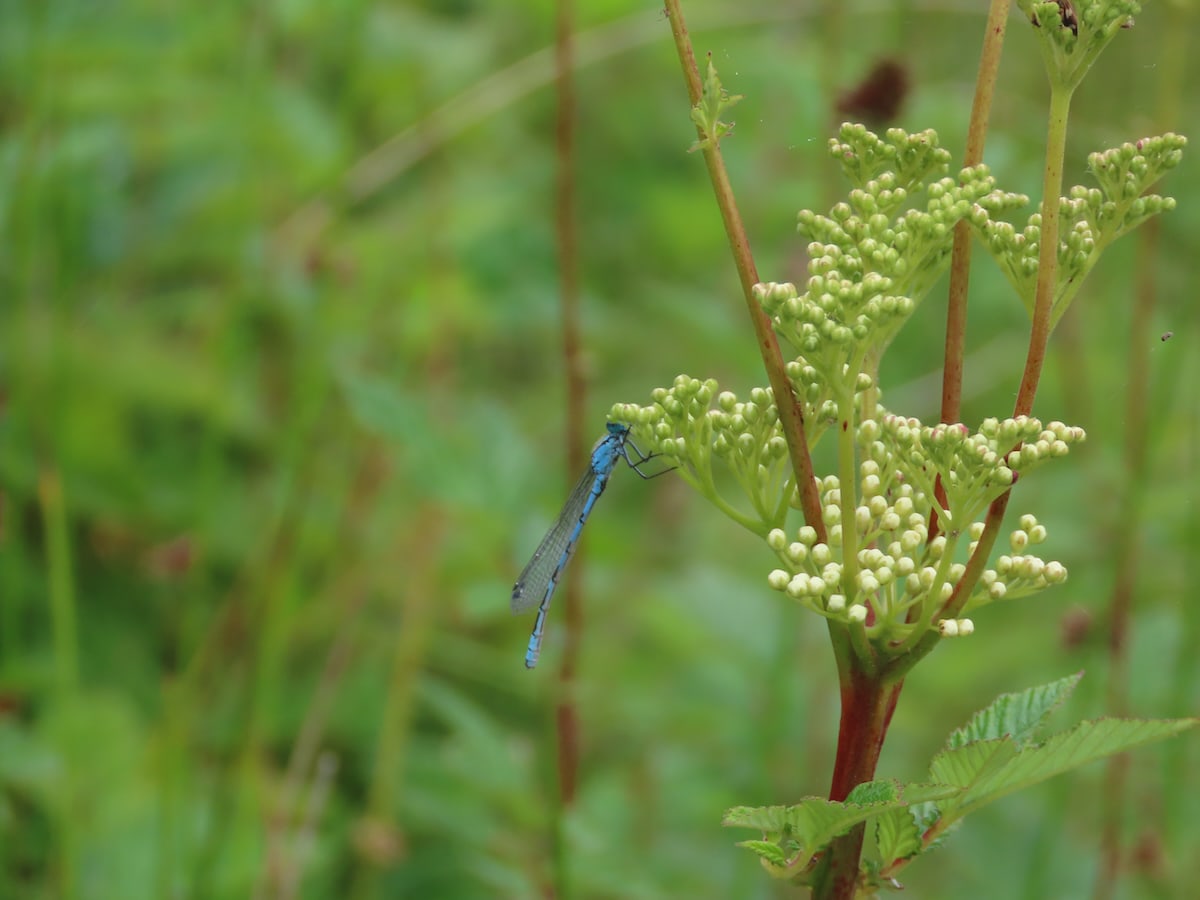
#SilentSunday
Read: The High House by Jessie Greengrass ★★★★☆ 📚
Compelling climate crisis novel that focuses on relationships between a very small cast. I like the sparseness the of speech & little moments. Good on our sleepwalking too.
Read: Stone Blind by Natalie Haynes ★★★★☆ 📚
Perseus son of Zeus is not too bright, Medusa is an innocent. The Gods self absorbed & fickle. A bit too jokey for me sometimes but the last couple of pages are transforming.
Read: Shrines of Gaiety by Kate Atkinson ★★★★☆ 📚
1920’s London, mad night life, huge cast of unique and surprising characters tangled in a web of crime(s). Very funny, gets so complex there is a lot of tying up of loose ends in the last couple of chapters.
Really proud to watch Our Lives – Series 7: My Husband the MMA Fighter. Filmed, Produced & Directed by Christine Johnston, my daughter.
That’s a very different threat from many other threats, which also severe.
So they include these things like robots taking away jobs.
In a decent society, that would be great.
It would mean everything got more productive and everyone was better off.
But the danger is that it’ll make the rich richer and the poor poorer.
That’s not AI’s fault.
That’s how we organize society.
Following up on comment and links from Dan Kelleher. I listened to this video. Quite a different take from Professor Bender’s. A different set of warnings and problems. The quote above is not just about the dangers that Geoffrey Hinton discusses, but I think is applicable to many technology problems, In a decent society, that would be great.
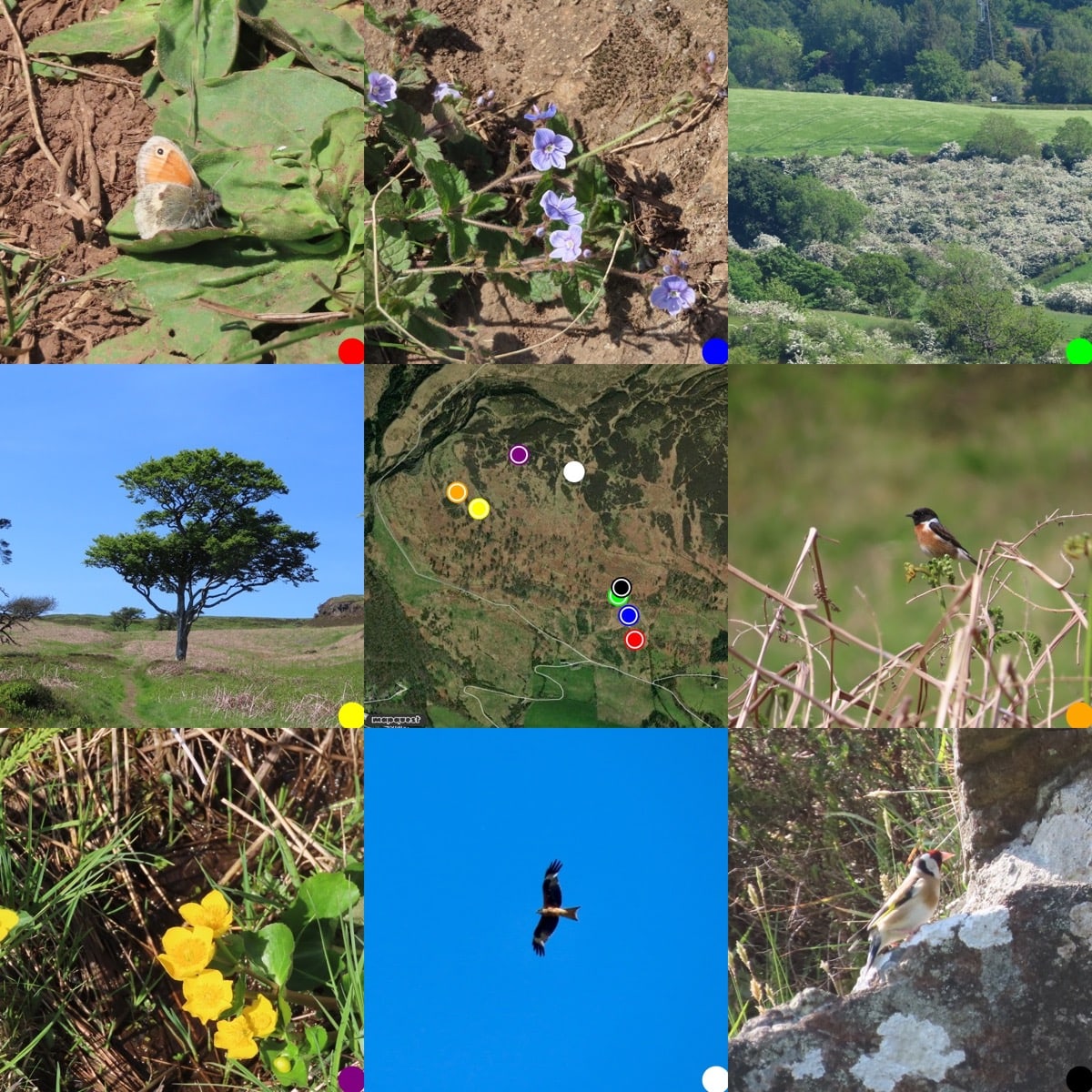
Walk around Kilpatrick muir this afternoon. Warm sunny, blue skys, lots of butterflies: small heath; green veined whites; orange tips, orange not identified. Red Kite flying above the moor, 1st I’ve seen here.
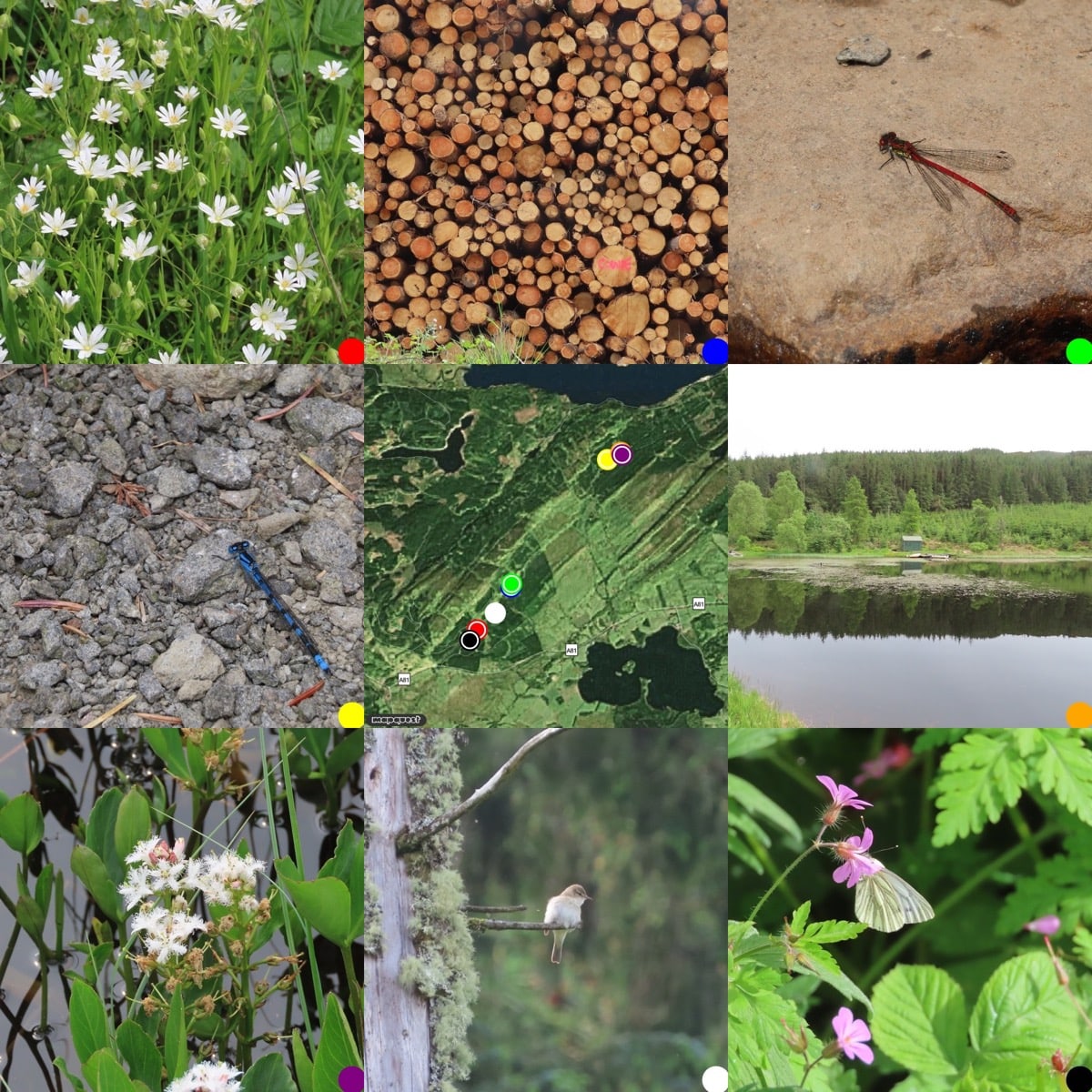
A nice walk yesterday. Lots to see. Highlights, green hairstreak butterfly & a pair of red squirrels chasing through the trees. Stank is a strange word.