

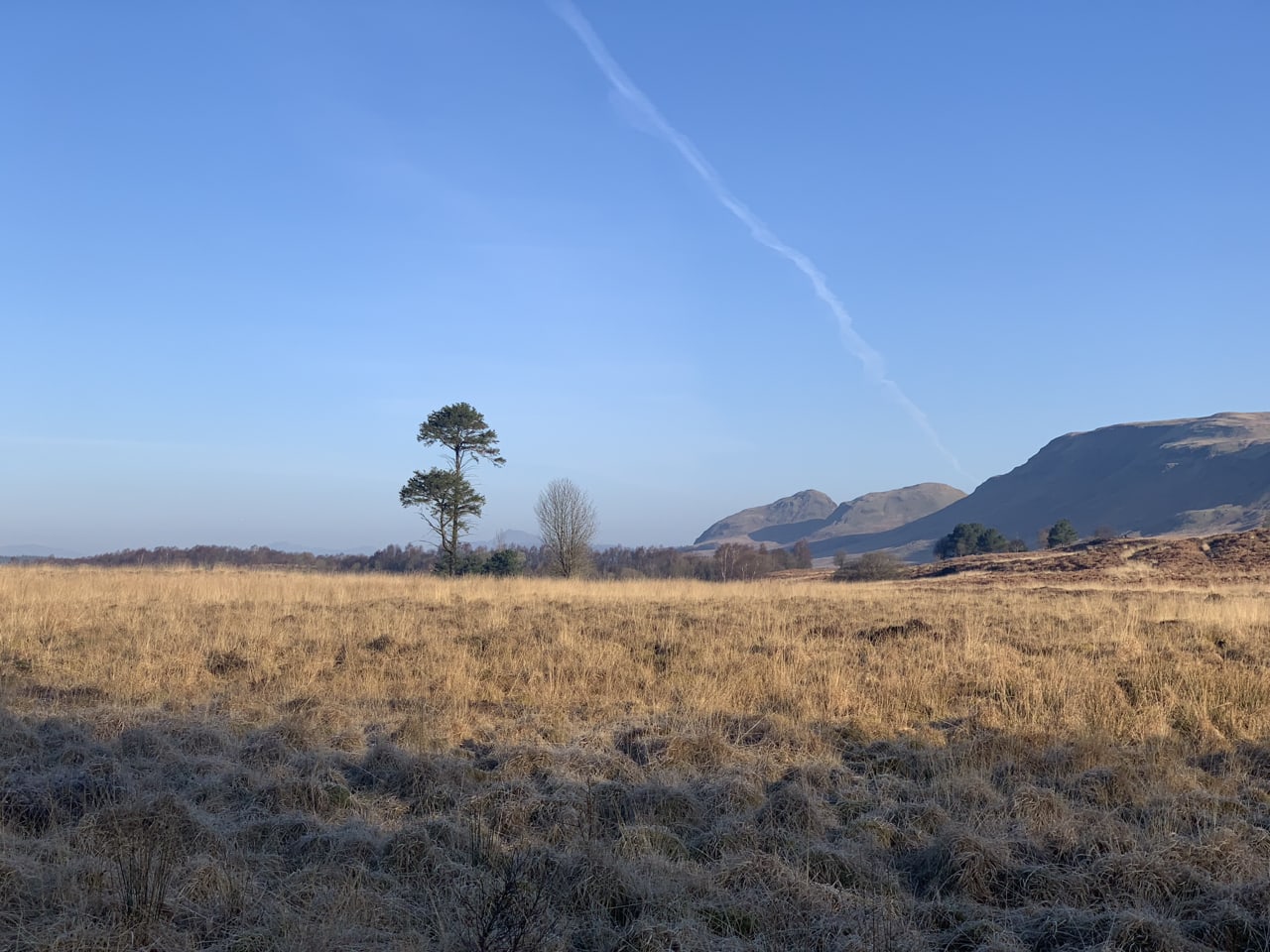
A touch of frost, clear blue.

A touch of frost, clear blue.
Because TiddlyWiki is radically customizable and allows you to think in new ways, it can be hard to "get it" if you haven't used it. In this video, I show what it looks like to be fluent in TiddlyWiki by creating a complete, functional application to track books and articles we've read and would like to read, in just over an hour. This video is 100% uncut and unrehearsed, programming mistakes and all. You can learn all the skills you need to do everything shown in this video with Grok TiddlyWiki (https://groktiddlywiki.com – coming soon!)
This was just great. I’ve been using TiddlyWiki on and of for a couple of years. I really like it but it has been tricky to really get into it. This was a revelation. Looking forward to Grok TiddlyWiki. In the meantime I’ll go over this video again.
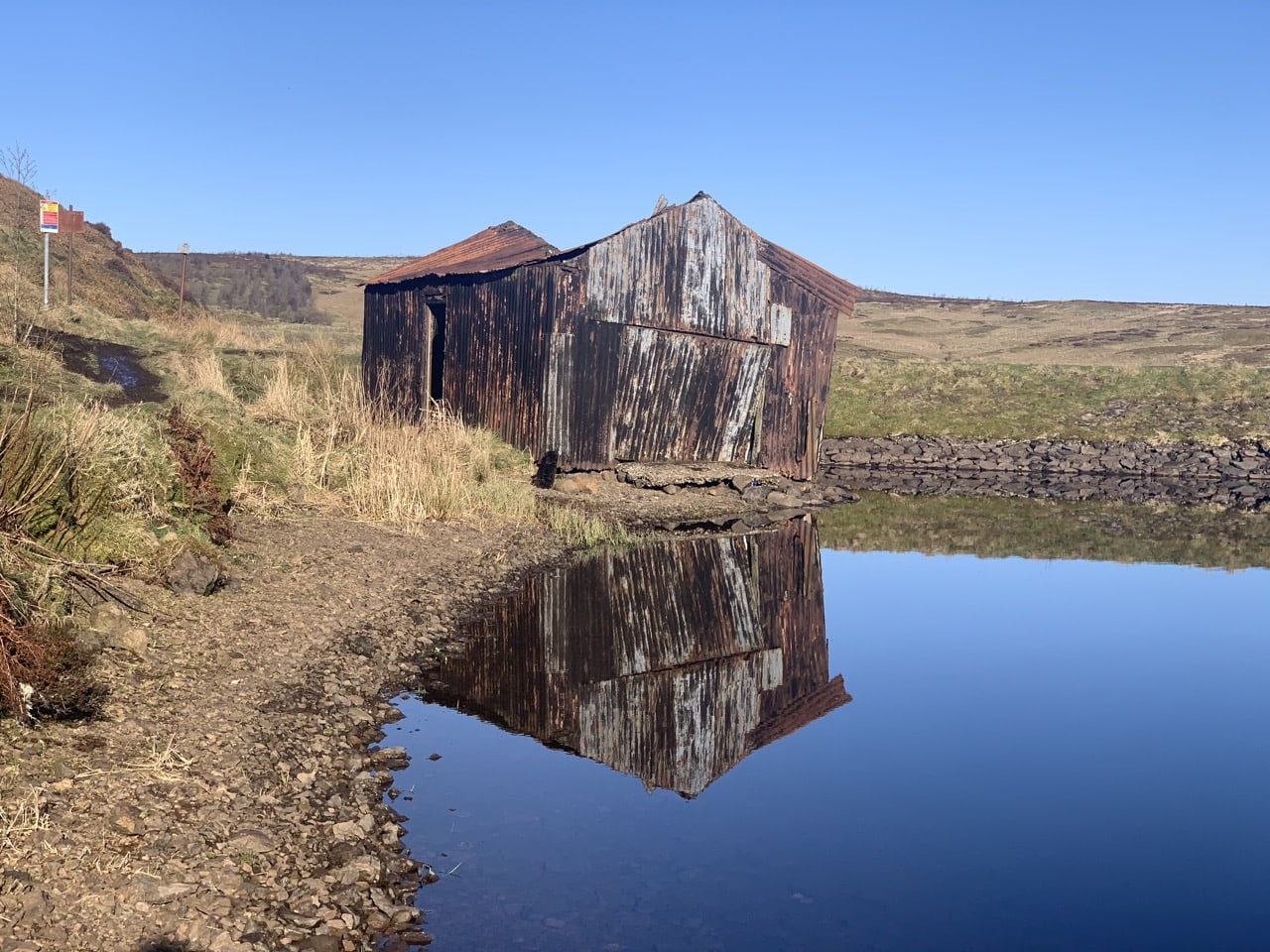
Corrugated iron hut reflected in loch. We got up earlish and walked up to Jaw Reservoir. Beautiful still day & blue day. Larks singing. Geese above. A few more photos on flickr
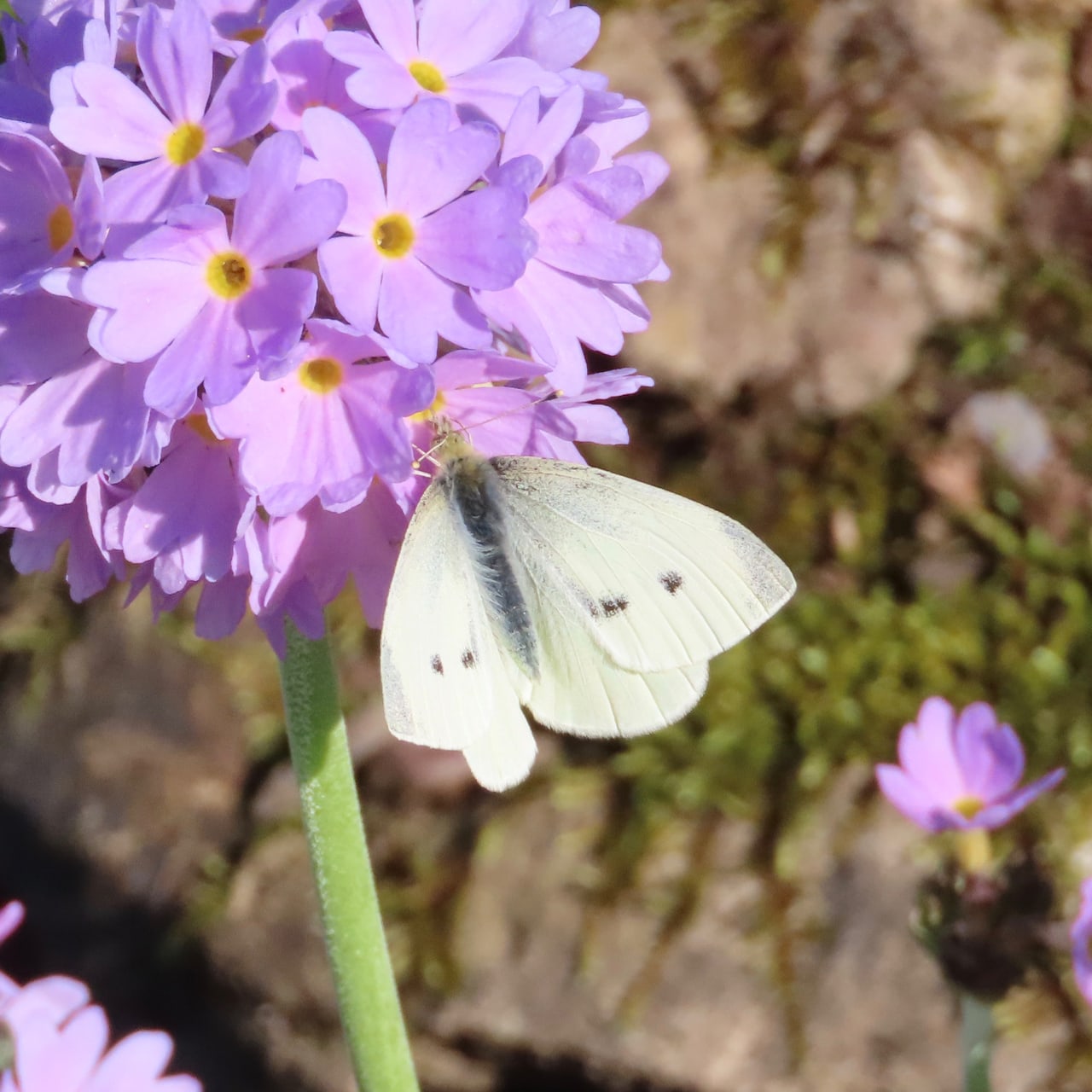
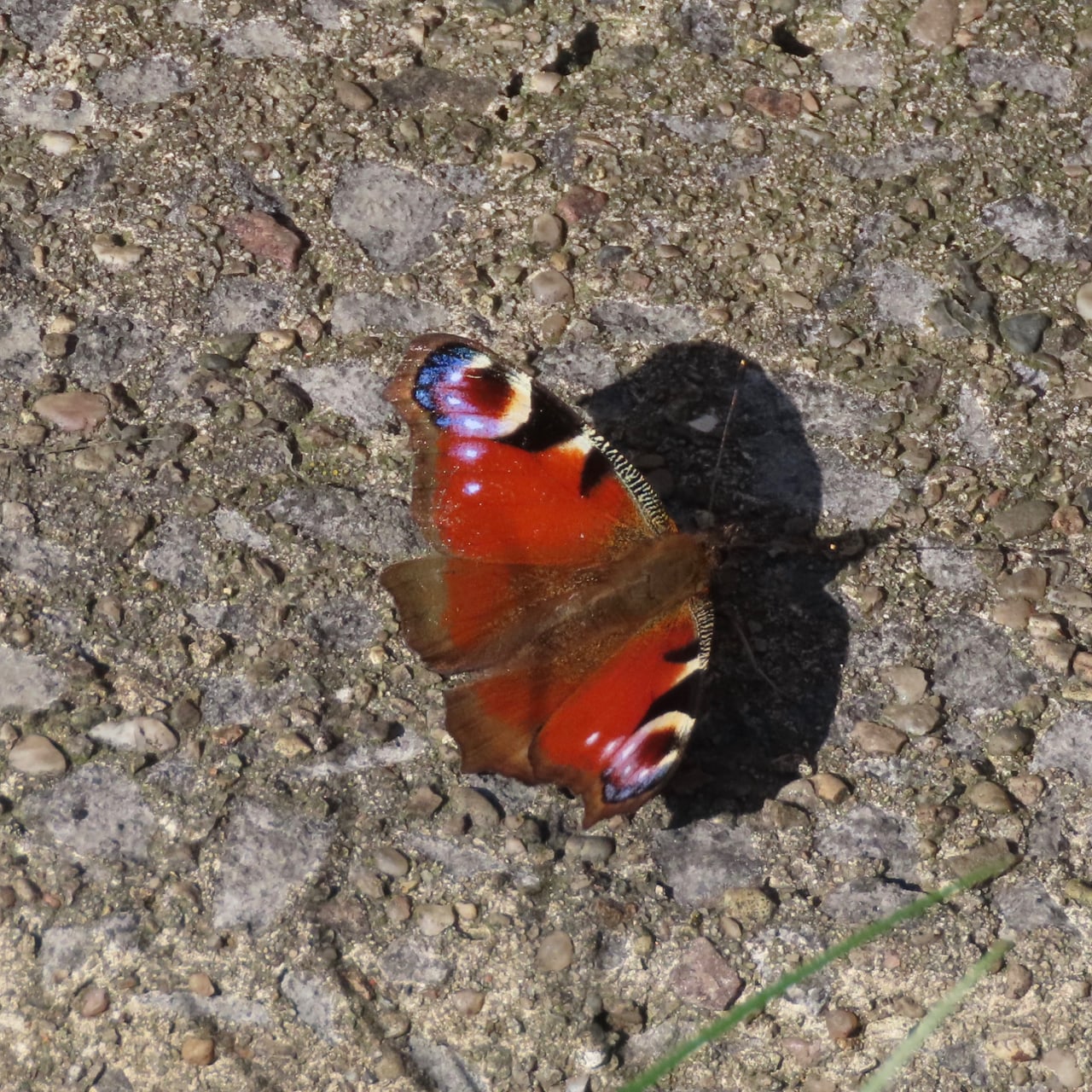
Took a walk round Gartnavel after work. End of Term early finish, summer time & a clear sky. Saw a Green Veined White in a Broomhill garden & a peacock in Gartnavel. I’ve seen the odd butterfly flying but these the first close enough to get a good look.
68k.news: Headlines From the Future
Website address
http://68k.news
Description
Basic HTML Google News for vintage computers
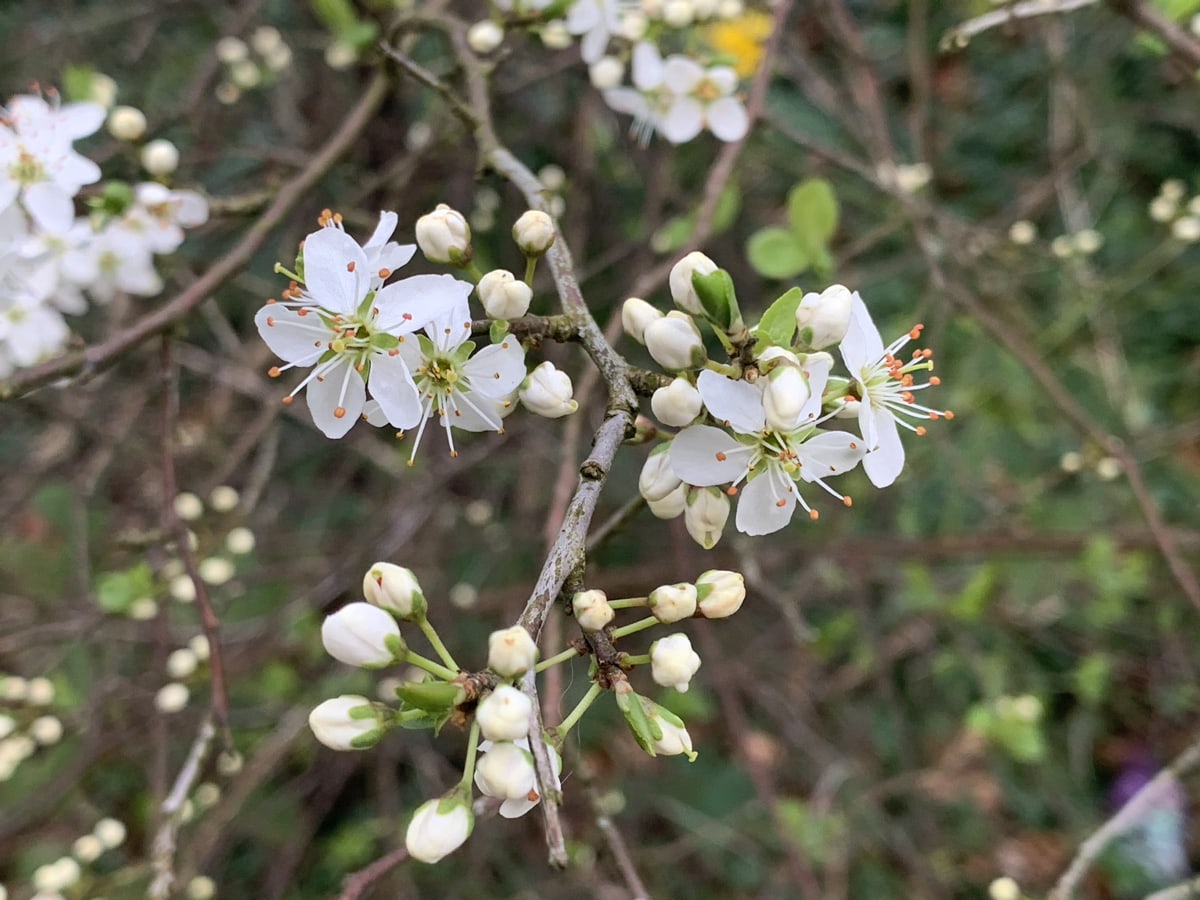
Blackthorn Blossom, eagerly awaited, I’ve been passing on my commute, but this is the first I’ve seen close this year. My favourite.
Hi Doug,
I was wondering what was going on, the old feed was behaving strangely in my reader. The new one works really nicely in inoreader.
I do get different behaviour in different browsers. Firefox, where I’ve an RSS extension, shows the RSS; Safari offers to open the feed in NetNewsWire RSS reader; Chrome shows the webpage.
Alan’s comment about pinboard is interesting, I used to have a sort of tumble blog running off the rss from my delicious links.

Limes from Below
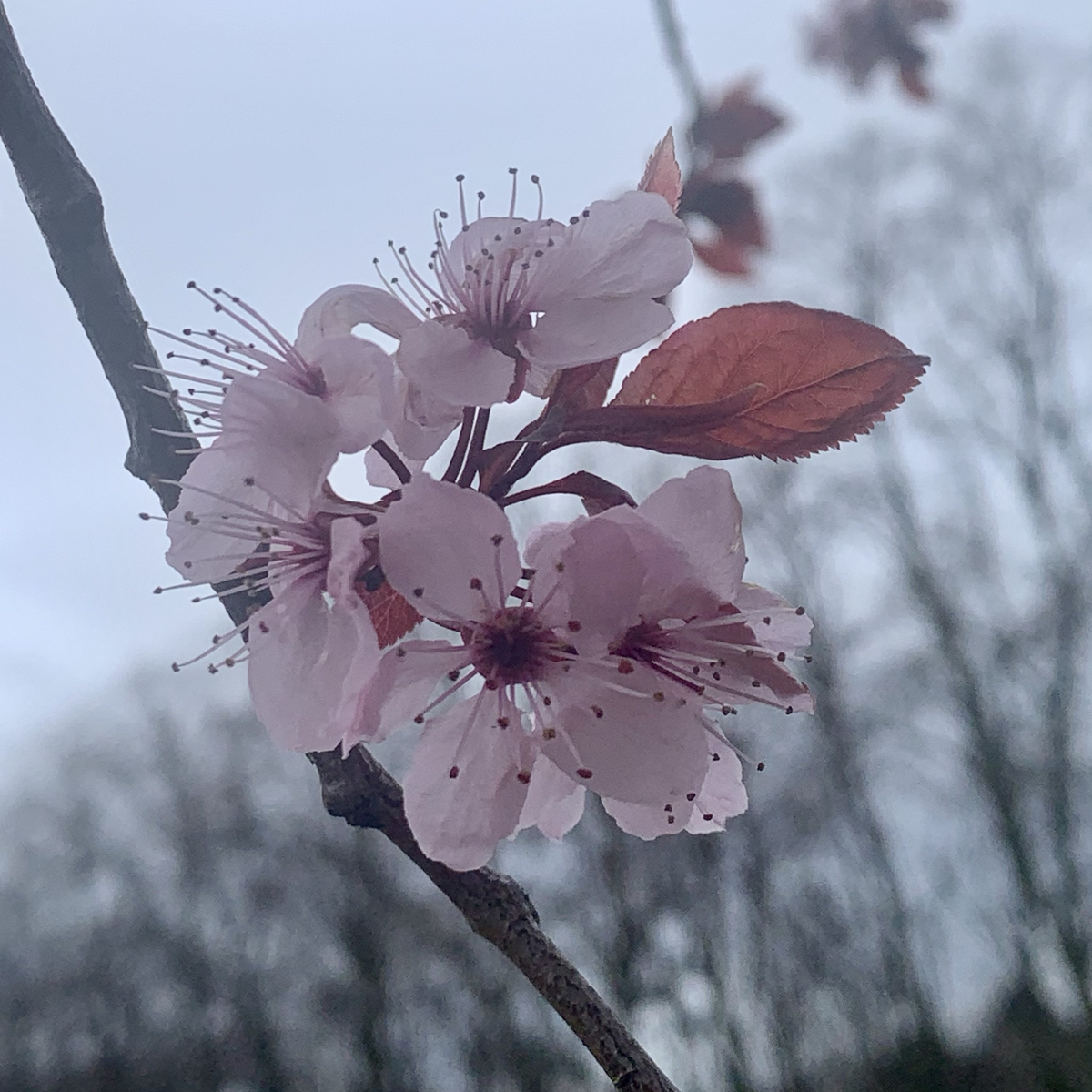
Either Cherry Plum or Japanese Cherry according to PlantNet. Cold March Wind today.
We had a early walk round Loch Ardinning reserve this morning. March has got cold again. Wee bit of snow on the Campsies and the Loch Lomond hills were white. Curlews and peewits. Quiet. The grass paths are in a bad way due to lockdown walking.