
Autumn Sunshine


Autumn Sunshine
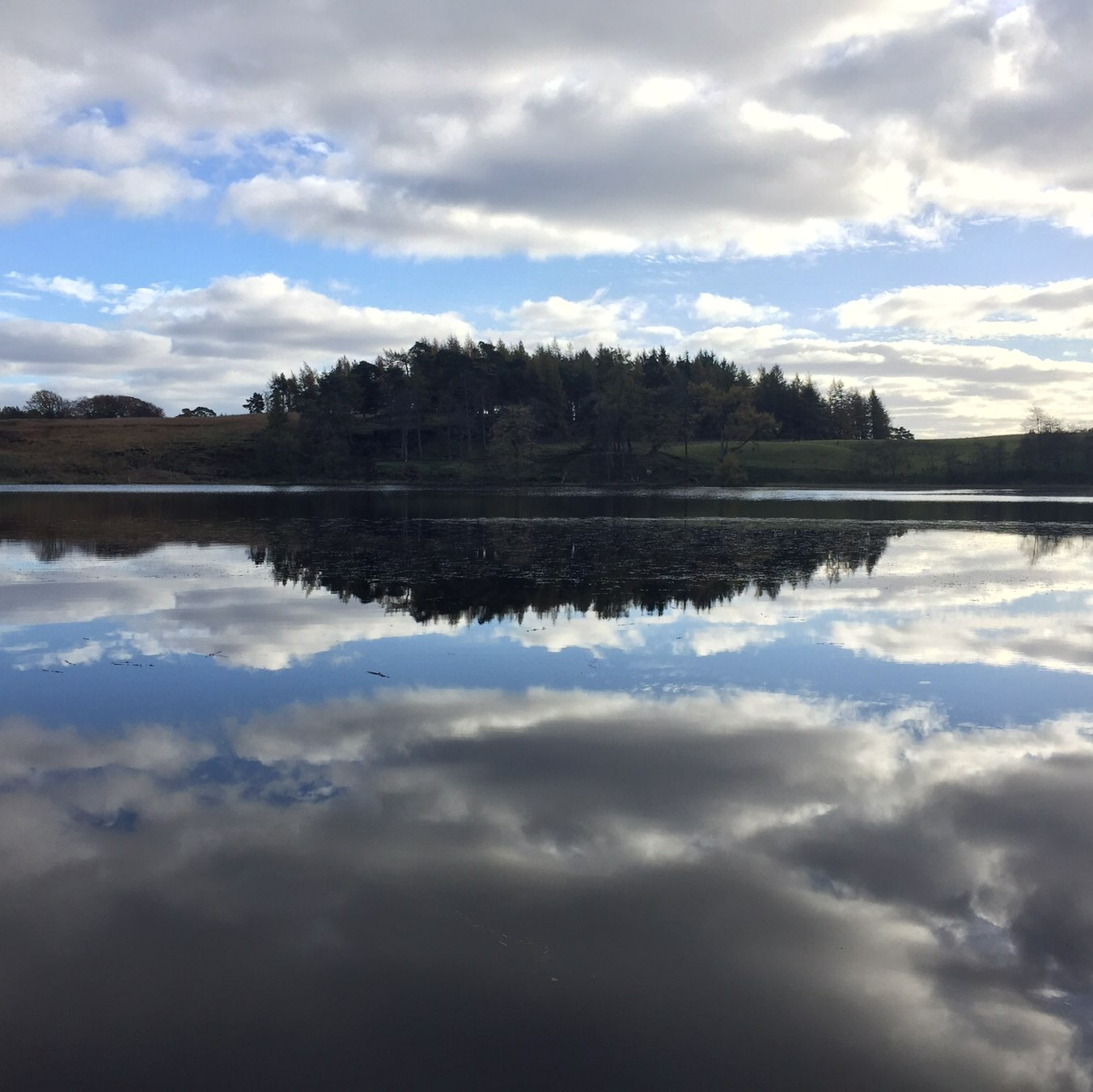
Ardinning Loch Reflections
Just discover I had a Goodreads account, started and abandoned in 2010. I’ve be finding that I am not recalling the titles of books I read on kindle and thinking about making some tracking notes. I’ll give this another go.

As an enthusiastic proponent of pupil blogging when I first heard about the e-Portfolio system developed in Glow Blogs I was rather worried. I think this was around 2012. I had been excited about Glow Blogs giving the opportunity to Scottish teachers to get blogging into their classrooms. When I saw e-Portfolios appear I saw them as adding complexity to the process (the rules, the capacities and Es & Os). The idea of blogging being a requirement and be controlled and constrained felt as if it was against my idealistic ideas.
Over the next couple of years I worked in many schools helping set up e-Portfolos with groups of pupils. I rarely saw the end result. One good thing I saw was teachers realising that posting to WordPress was a lot easier that their usual way of creating a website. In our Local Authority like many others schools started to move their websites to Glow Blogs.
It was ironic then that when working on Glow in 2014-15 that I spent a lot of my time working on improving the e-Portfolio system.
Last session I found myself returning to class teaching. Over that year I did some blogging with the class and set up and used e-Portfolios a bit. Less than I hoped but getting back into teaching after a major curriculum change had its challenges (I am still working on some of these).
One of the things that has changed is the ease of getting an audience. Providing an audience for pupil work was one of the main benefits I found in Sandaig. A lot has changed in the 12 year since I started getting pupils to blog. There has been a massive increase in publishing by schools. It seems a lot harder to gain an audience.
Last session e-Portfolios became less of a focus when I found out that the secondary we feed had its own requirements for a pupil profile and this was not one created by a blog.
This session I decided to give the e-Portfolios another chance, focussing on informal self evaluation and celebration.
After a term I think this is going pretty well. The class are largely enthusiastic about the process. We are managing to make at least one weekly review post a week. In addition the pupils are sometimes posting their artwork, writing and at some end of sections review of maths work.
The children are taking posting seriously, recording learning and some beginning to pinpoint next steps.
I’ve been giving out a template with suggestions for the weekly review asking different children to complete more or less depending on ability. Some pupils need 1-2-1 support every time, others are running away with it. The template is the sort of thing you would expect (best work this week, why, didn’t like, why, enjoyed etc). One thing the pupils especially like is to summarise their week in emoji. I added this as a wee bit of fun, but it has been fascinating to see how some really think about this.
With a class with a wide range of abilities, across p4-7, it is a bit of a challenge to manage the process. This is somewhat eased by the fact there are 17 pupils in the class and we have 1-2-1 iPads.
This term I’ll change these around a bit giving some pupils simpler templates to start. I do vary the questions from week to week already.
At this point the posts have a fair number of typos, spelling and grammar errors. I try not to focus on these but will pick that up later on this session. I want the pupils to enjoy posting. I encourage photos along with text and the pupils are posting some multimedia. I’ve also asked them to post about learning outside school too.
I do review what they write briefly before they transfer from notes to their blog. I am a fan of editing blogs posts in external app 1.
I was delighted one week when a Primary 4 pupil was still working at the end of the session, he had decided to make a short video of a magic trick he had learnt as an example. This was off his own bat without any prompt.
One of the things that has surprised me most is the pleasure I get in ‘marking’ the post by leaving comments. I can’t say marking jotters is something I always enjoy but I do love commenting.
I’d though that the process of posting weekly would speed up and not take some much time after a few weeks, this has not happened yet. Some pupils need support in publishing, more in writing. I do think the process is justifiable in terms of basic literacy as a exercise in writing, grammar and spelling. It is also hitting a few Health and Wellbeing E&Os 2. Perhaps some ICT too;-).
There are a few different e-Portfolio systems on the go across Scotland, several based on different Glow services. I am of course biased towards the web, blogs and WordPress. Glow Blogs now have a nice follow system that makes it easy to keep up with pupil blogs, I know my way round WordPress, it is flexible open source software with good exit/export paths 3.
Apart from system used, I am pleased with the results I am getting by using e-portfolies, a a little surprised at the range of learning that can go on in the process.
Featured image E-Portfolio | Oliver Tacke | Flickr Public domain
Just found educators-in-indieweb twit list Thanks @ChrisAldrich
So happy. Discovered adding -site:pinterest.* to searches. (Primary school teacher problem)
Reading The War To Sell You A Mattress Is An Internet Nightmare feel like an innocent. You can make how much reviewing matteress?
Sunlight on a rainy day.


I’ve often posted links to this blog and on occasion whole sets of links, usually from my pinboard collection. I’ve created them in various way. The idea is somewhat inspired by other blogs and the fairly recent resurgence of bloggers posting Newsletters 1.
My favourite is Tom Woodward’s Weekly Web Harvest which is an inspiration, a fascinating and wide ranging list.
Tom produces these posts automatically in WordPress grabbing the links from pinboard.
Recently Arron Davis was blogging about Scripting an Automated Solution to the same problem. I suggested throwing pinboard into his google sheet mix. This got me experimenting with google sheets and thinking about the problem.
In previous efforts I’d been wondering about separating my thoughts from quotes in pinboard descriptions 2. Thinking about this again I though the easiest way would be to use the markdown convention of putting a greater than sign > before the quoted lines.
I made a start in google sheets but hit a snag with parsing the quotes. Sheets seemed to add some extra line breaks to the RSS feed from pinboard (or pinboard has extra line breaks in RSS). Anyway I though it would be easier to handle in AppleScript.
The script I’ve come up with does the following
It would be easy to automatically post to the blog with AppleScript, but I want to be able to edit, fix typos and think a bit.
You can see the first post created on this blog: Life in Links 20-10-2017
I am not sure if this would help Aaron. I don’t even know if he has a mac. But I had fun playing with this. AppleScript does not seem to be used by many(any) people I meet but I find it really useful.
Featured image: Image from page 237 of “Mechanical appliances, mechanical … | Flickr No known copyright restrictions., I changed the colour a wee bit.
For a quite a while I’ve been thinking about writing a book about the IndieWeb to provide a broader overview of what it is philosophically, how it works, how its community functions, and most specifically how the average person can more easily become a part of it.
This should be very useful. I’ve been trying various indieweb things for a while, but still find it tricky to understand and implement some of the technologies. There is a great wiki, but I think I am more likely to read through a book.