Read The Devils Footprints by John Burnside ★★★★☆

I am unsure how much to ‘believe’ of the main character’s narrative. He claims a childhood murder and the insanity of running away from his wife and life with a 14 year old girl who he thinks might be his daughter. The nasty side of a Scottish small town. Queasy, uncomfortable & involving with lovely prose.

Like the visit from the angel, or that moment of terror before cock-crow, a flicker of light revealed how, mostly, we are creatures of chance – how, when the devil has work to do, he makes it look like an accident, at least to begin with, in order to lure us further into his trap, protesting mildly, if at all, but willing accomplices at the last.

and

I would come to where I was then: the dusk of a winter’s morning on the streets and the houses, dusk on the point, the starlight above the firth a perfect echo to the night boats coming in, and someone watching it all from an upper room, a man who might as easily have been someone else but, as it happened, was me: a quiet, solitary man in a world lit by new snow, leaning towards the window and touching the dark, empty pane, to feel the cool of something other than the night, remembering his fingers through the glass.

Read: Buckeye by Patrick Ryan ★★★★ 📚

Say, forever. What is it about time that confounds us? We spend it. We save it. We while it away. We waste it. We kill it. We complain about not having enough of it, or about having too much of it on our hands. We regret what we've done with it. We give it away. We want it back. We say "time and again" when something is bothering us and "it's time" when something is supposed to end. Felix saw it so clearly: all we should ever want of time is more of it. Life was so simple when it was reduced to the barest of necessities: more time; more air; more Duke Ellington.

I raced through the 440 pages absorbed in the characters & situations. American small town story over two wars, two or three generations. The cast all damaged by birth, those wars & circumstances.

I’ve been following the development of rss.chat on Dave Winer’s Scripting.com for a while. Dave set up a limited example at chat.rss and now an open one at https://demo.rss.chat which I joined. There dosen’t seem to be a promise that this particular server will stay up, but it offers the chance to try and explore.

rss.chat is a social network:

You can subscribe to those feeds if you want.

Introducing rss.chat – daveverse

from the same page:

I envision a world of small communities, running on small servers. We haven’t released the code for this yet, but will, under an MIT license.

Which is interesting. I remember, when I started using micro.blog, one of my thoughts was that it was the perfect model for a small community with particular interests. At the time I was thinking of education. I love everything about micro.blog but I do not see many there with my interests in education. As I understand it, Dave has no intention in supporting all of micro.blog’s features. In fact I think he hopes that other people will used the spec and concept to create different things:

Don’t think of this as a product Rob. Think about features you want in other people’s products. Think of this as a source of feeds, not a destination for them.

https://demo.rss.chat/?id=108

This is a very interesting way to think about a new piece of software. There are also some interesting ideas on the github issues including mentions of webmentions and WordPress.

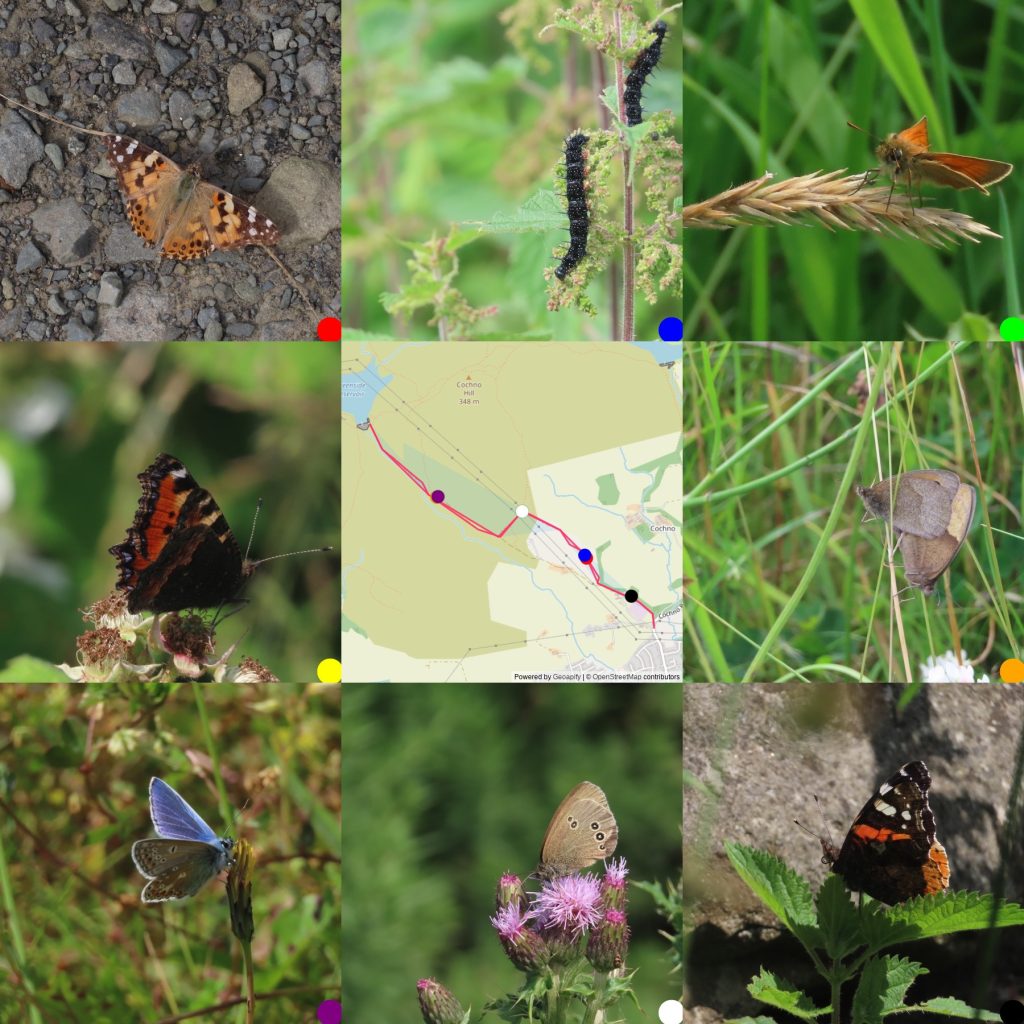
3x3 grid of 8 images round a central map of where they were taken. From Top left: Painted Lady; peacock butterfly caterpillars; small skipper; Small tortoiseshell; map;2 Meadow Browns mating; small blue; ringlet; red admiral

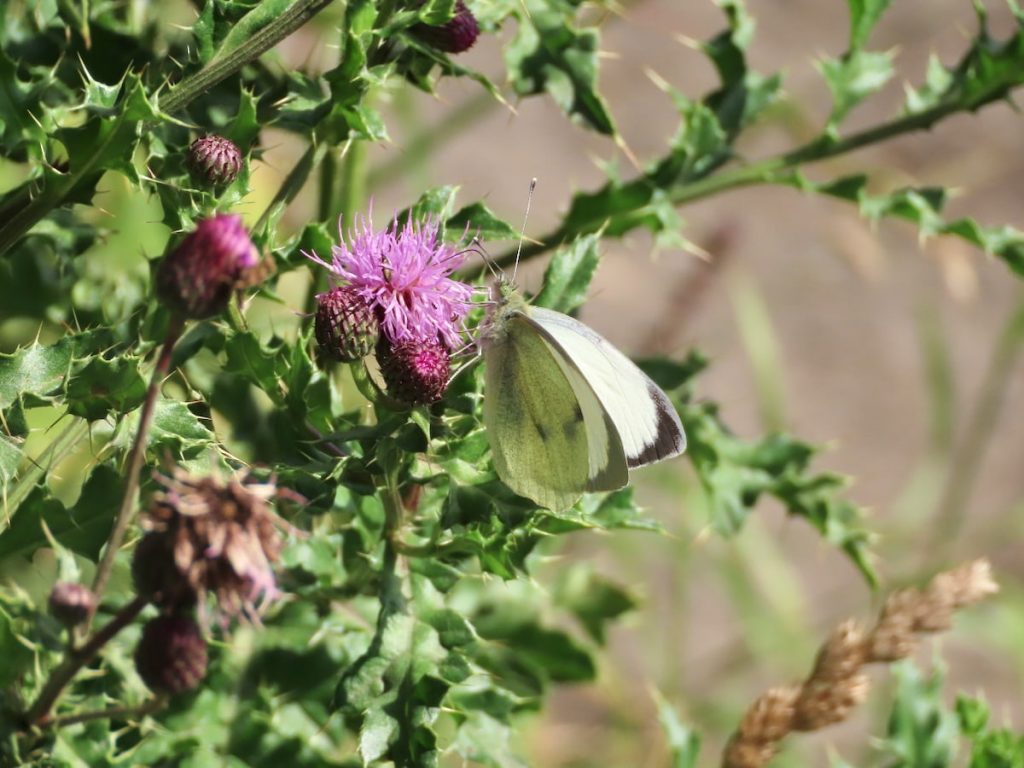
Short walk to Greenside reservoir this morning. Warm, mostly sunny. Lots of butterflies around.

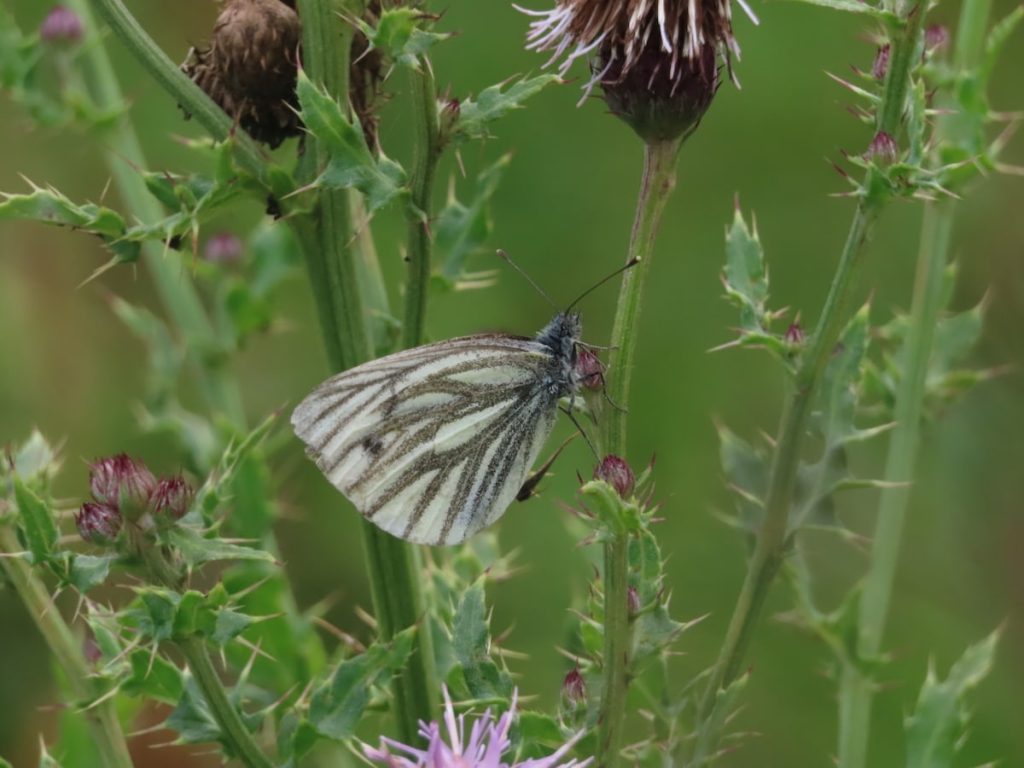
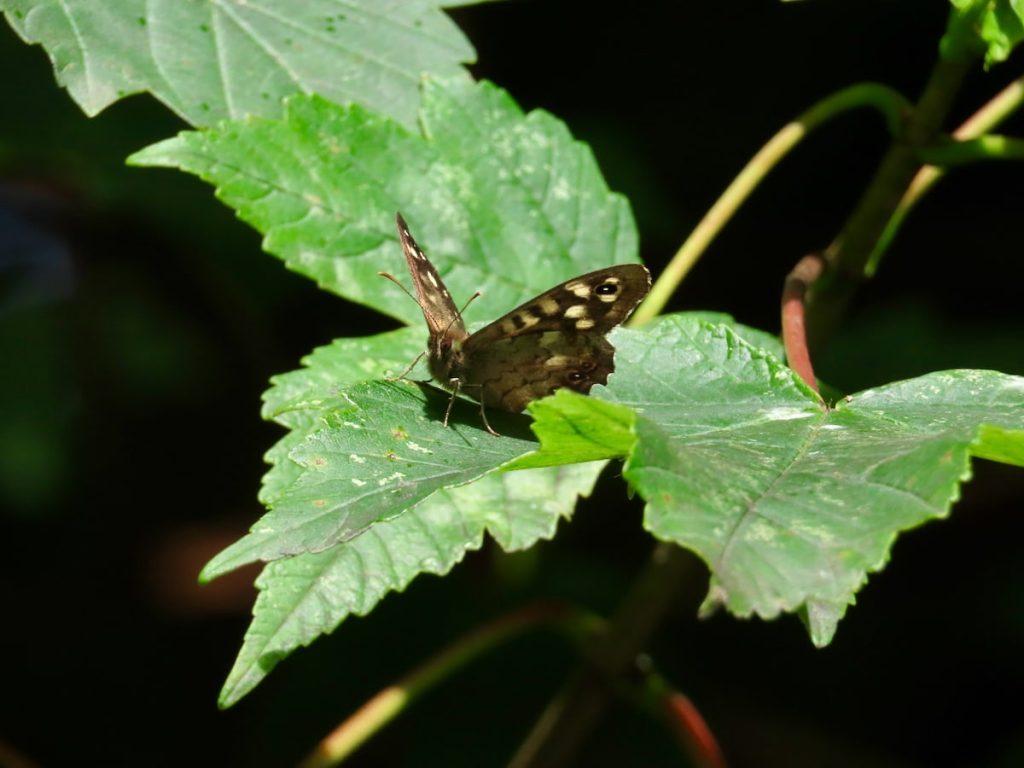
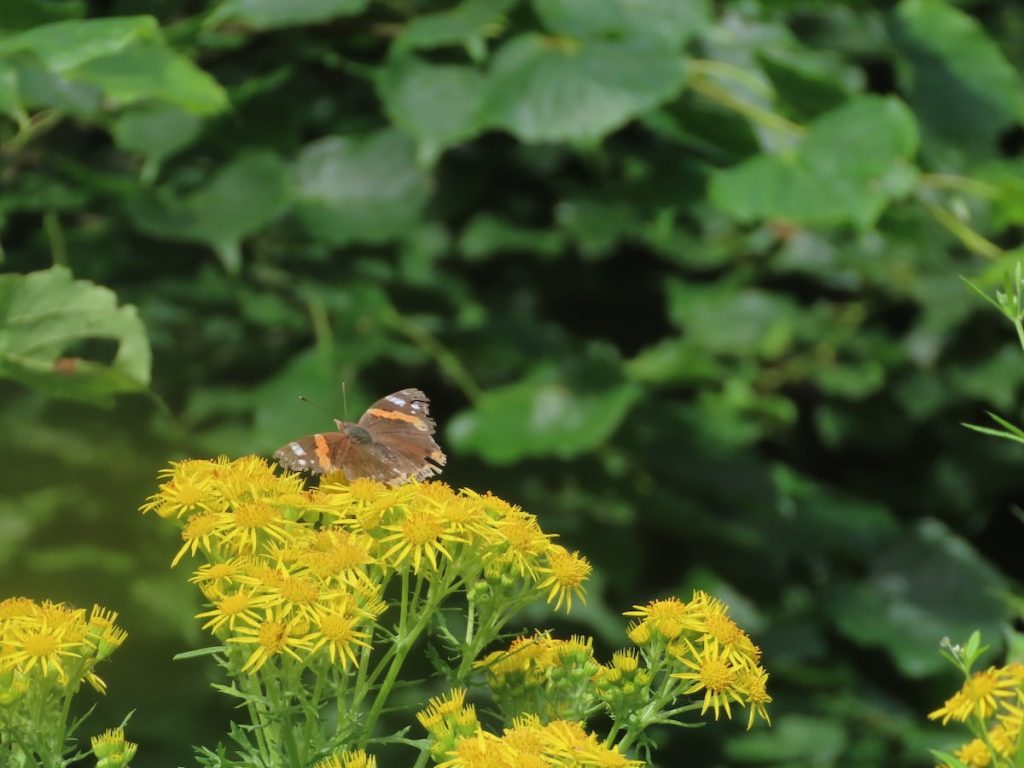
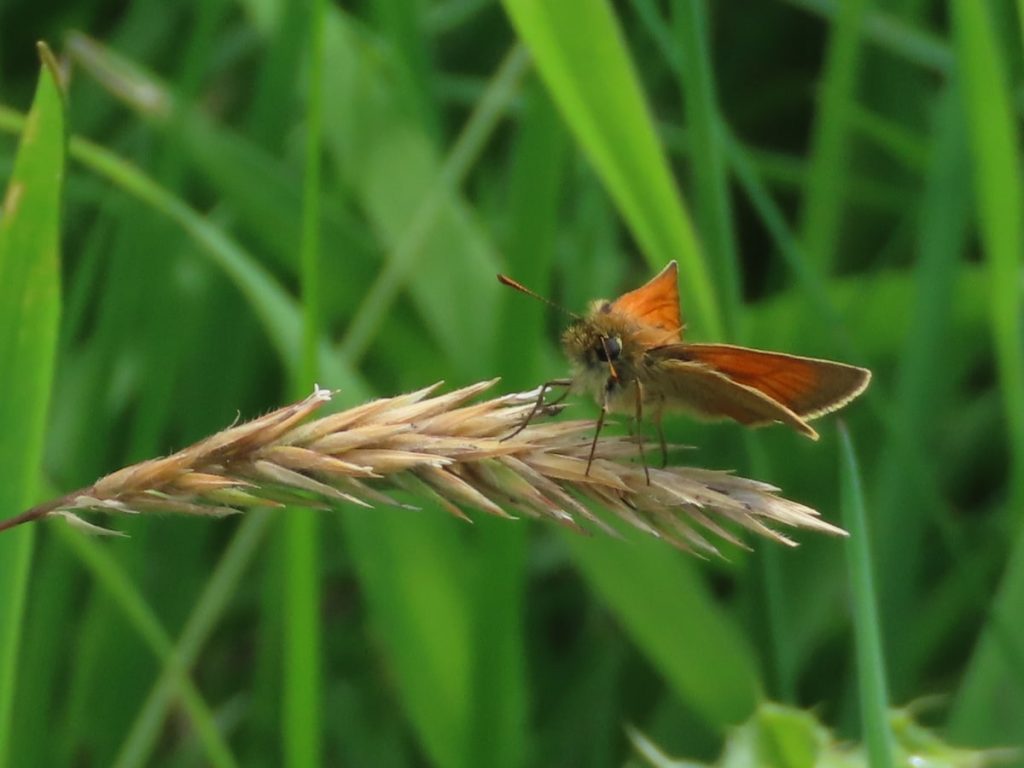
I’d guess I saw over 200 ringlets; a lot of painted ladies & meadow browns. A few common blues & red admirals ,one small tortoiseshell & a white of some sort. A few fritillaries bright orange and zooming around, never posing. I saw one I’d never seen before. It look to me, after consulting my book & the web, like a small skipper. According to the same research this doesn’t seem to be where they are expected? Unfortunately my camera threw an error while I was trying to get a different angle.

Butterfly, looks like a small skipper, on a gras head.

Animated gif of screenshots of a 'tour' of the wordpress dashboard made with pootlepress playground.

I’d also love to know what you think of the broader idea. A WordPress Playground that doesn’t just show people a site, but actively teaches them how to use it.

Turn Any WordPress Playground Into a Guided Education Experience | Pootlepress

This looks like something with amazing potential, a way to build in guided tours in the WordPress editor. It works in the WordPress playground via pootleplayground.com. Pootle Playground helps you create blueprints for the WordPress Playground1.

There are technologies I know little about only have dipped my toe into. The featured image is a gif of a simple tour I created in a few minutes. It does look like there could be great potential for WordPress environments like Glow Blogs2. Teachers are busy multi-skilled people. Making a WordPress site might not be in their skillset but might be in their remit.

I could see something like these guided tours working not in the playground but in a site itself. A teacher or pupil could choose a tour to work through, say a class blog, e-portfolio or school site, the tour would take them through the steps to get started.

  1. Quote: WordPress Playground is the platform that lets you run WordPress instantly on any device without a host. It’s your place to build, experiment, test, and grow. ↩︎
  2. I am just throwing out ideas here. Lots of coulds. ↩︎

Today’s daily create #tdc5280 #ds106 #dailycreate #ShowYourStripes point toward the #ShowYourStripes webpage that very neatly shows

visual representations of the change in temperature as measured in each country, region or city over the past 100+ years

The site also links to #BiodiversityStripes

The ‘biodiversity stripes’ provide a visual representation of the change in biodiversity over time, often since 1970. The highest level of biodiversity is coloured bright green. Lower levels move through yellow to grey, depending upon the level of decline. Darker greys appear with greater declines.

This one shows the decline of UK moths from 1970 to 2018

An image showing the decline, 86%,  in British moths from 1970 to 2018  The highest level of biodiversity is coloured bright green. Lower levels move through yellow to grey, depending upon the level of decline. Darker greys appear with greater declines.

86% decline in only part of my lifetime. Horrific. I was 12 in 1970, I remember when cleaning insects from a windshield was a thing.

In 2025, the now-annual survey conducted by Buglife in Kent found a decline of 66% in flying insects since 2021.

Kent bug splat survey shows ‘troubling’ fall in flying insects – BBC News

I am currently reading Aurochs and Auks by John Burnside, a wonderful book, which in part deals with the feelings around this terrible state of affairs.